 Martin
Jeffrey Craig LaBeouf stands as a figure whose life weaves together military service, eclectic performance arts, and a profound paternal influence on one of Hollywood’s most enigmatic stars. Best known as the father of actor Shia LaBeouf, his story reflects resilience amid personal struggles and creative pursuits. This biography delves into his heritage, career, family dynamics, and lasting legacy.
Born into a family with deep Cajun roots, Jeffrey Craig LaBeouf navigated a path marked by Vietnam War trauma, clowning artistry, and complex relationships. His experiences shaped not only his own journey but also profoundly impacted his son’s worldview and career. From San Francisco streets to rodeo arenas, Jeffrey’s multifaceted life offers insights into an unconventional American dream. Readers exploring Jeffrey Craig LaBeouf will uncover a tale of artistry, hardship, and familial bonds that continue to resonate.
| Category | Details |
|---|---|
| Full Name | Jeffrey Craig LaBeouf |
| Birthplace | San Francisco, California, strong Cajun heritage from Louisiana roots |
| Birth Year | 1950s (exact date not publicly detailed) |
| Heritage | Cajun (French-Louisiana ancestry influencing performance traditions) |
| Military Service | Vietnam War in the 1970s at Cam Ranh Bay Airport, loading wounded soldiers; called his “worst experience” |
| Primary Career | Clown in circuses, theaters, rodeos, street performances; stand-up comedian; opened for Doobie Brothers |
| Spouse | Shayna Saide (artist, dancer, Jewish heritage); married, later divorced |
| Children | Shia LaBeouf (born June 11, 1986, Los Angeles); collaborated on Holes (2003) |
| Challenges | Substance abuse struggles tied to war trauma; later achieved sobriety |
| Influence | Mentored Shia in acting/clowning; inspired Honey Boy (2019) film |
| Later Life | Moved to Costa Rica around 2017; lives simply on military pension as of 2026 |
| Legacy | Shaped Shia’s authenticity and work ethic; symbolizes veteran resilience |
Early Life and Cajun Heritage
Jeffrey Craig LaBeouf entered the world in San Francisco, California, during a vibrant era of cultural transformation in the 1950s. His family carried strong Cajun heritage, tracing ancestry to French settlers who forged communities in Louisiana. This background infused his life with a rhythmic blend of storytelling, music, and theatrical flair that later defined his performances. Growing up amid the city’s eclectic neighborhoods, young Jeffrey absorbed influences from diverse immigrant cultures and countercultural movements.
Details of his childhood remain sparse in public records, respecting the privacy of those formative years. Yet, this San Francisco upbringing likely sparked his innate showmanship, blending streetwise resilience with artistic curiosity. Family tales suggest early exposure to performance through local festivals, where Cajun traditions like zydeco music and lively dances captivated him. These roots provided a foundation for his future as a performer, embedding a sense of communal entertainment deeply within his identity. Jeffrey Craig LaBeouf‘s heritage thus became a quiet undercurrent in his life’s narrative.
The city’s bohemian spirit of the 1960s further molded his worldview, exposing him to free expression and social upheaval. While specifics on education or early jobs are limited, it’s clear these years cultivated a bold, unconventional personality. This period set the stage for his military enlistment, marking a pivotal shift from civilian creativity to wartime duty. Jeffrey Craig LaBeouf‘s early life exemplifies how regional roots can propel one toward extraordinary paths.
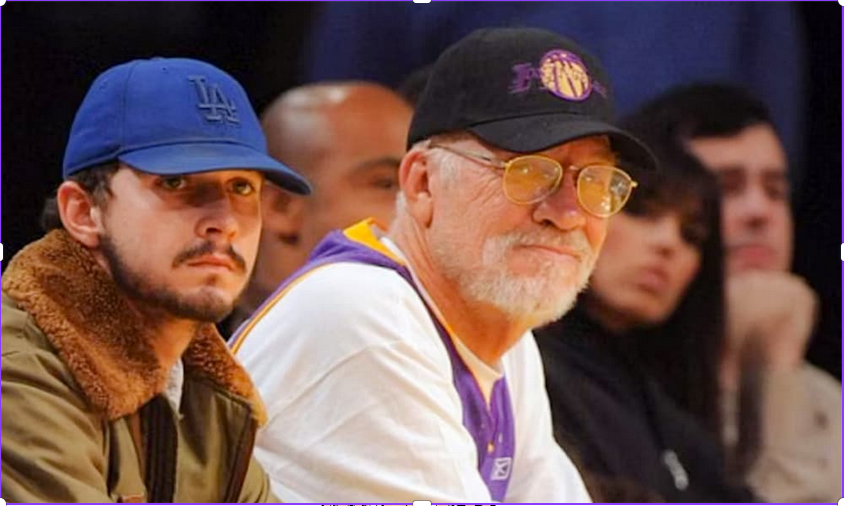
Military Service in Vietnam
Jeffrey Craig LaBeouf‘s military chapter began in the 1970s when he served as a soldier during the Vietnam War. Stationed at Cam Ranh Bay Airport, he faced harrowing duties loading wounded comrades onto evacuation planes. He later described this as the “worst, very worst experience” of his life, a trauma echoed by countless veterans. The psychological scars from witnessing unrelenting human suffering profoundly altered his perspective, instilling a raw authenticity in his later artistic endeavors.
Service in Vietnam demanded physical endurance and emotional fortitude, exposing Jeffrey to combat’s brutal realities. His role, though logistical, placed him at the war’s visceral heart, handling the human cost daily. Post-discharge, these experiences fueled a restless energy, channeling pain into performance as a coping mechanism. Veterans’ accounts, including Jeffrey’s, highlight how such service reshapes identity, often leading to creative outlets for processing grief.
Returning to civilian life proved challenging amid widespread societal reintegration struggles for Vietnam vets. Jeffrey Craig LaBeouf carried forward a deepened empathy and storytelling prowess, elements that enriched his clowning career. This military tenure, while brief in years, cast a long shadow over his biography, underscoring themes of sacrifice and survival central to understanding him.
Performance Career as a Clown
Circus and Theater Clowning
Jeffrey Craig LaBeouf built his primary career as a clown, embracing this art form across diverse venues with unwavering dedication. As a circus clown, he mastered physical comedy, exaggerated gestures, and audience interaction to deliver joy in tented spectacles. His routines blended slapstick humor with heartfelt moments, captivating families nationwide. This role required athleticism and timing, honed through relentless practice amid traveling shows.
Transitioning to theater clowning, Jeffrey explored narrative-driven performances, collaborating with troupes on structured productions. Here, his Cajun-influenced expressiveness shone, infusing characters with soulful depth. Critics noted his ability to evoke laughter while touching emotional truths, a skill rooted in personal hardships. These stage appearances expanded his reach, blending traditional circus elements with avant-garde theater. Jeffrey Craig LaBeouf‘s clowning thus evolved from spectacle to sophisticated artistry.
Rodeo and Street Performances
In a daring pivot, Jeffrey Craig LaBeouf became a rodeo clown, risking life to distract angry bulls and shield fallen cowboys. This high-stakes role demanded courage forged in Vietnam, combining agility with split-second decisions. Performing at arenas across the U.S., he earned respect for protecting riders while entertaining crowds with fearless antics. The physical toll mirrored war’s intensity, yet it affirmed his thrill-seeking spirit.
Street clowning brought his talents to urban sidewalks, turning public spaces into impromptu theaters. In San Francisco’s bustling districts, Jeffrey engaged passersby with mime, juggling, and improvised sketches, thriving on spontaneous reactions. This grassroots approach sustained him financially and artistically, embodying clowning’s democratic essence. Together, these formats showcased Jeffrey Craig LaBeouf‘s versatility, making him a true performance polymath.
Other Entertainment Ventures
Beyond clowning, Jeffrey Craig LaBeouf ventured into stand-up comedy, channeling observational wit into comedy club sets. His material drew from military anecdotes and life’s absurdities, delivered with a gritty, relatable edge. Though not achieving mainstream fame, these gigs honed his timing and connected him with entertainment circuits. Audiences appreciated his unpolished authenticity, a counterpoint to polished headliners.
Most intriguingly, reports indicate he toured as an opening act for the Doobie Brothers, the iconic rock band. This exposure thrust him before thousands, blending clownish energy with musical audiences during the 1970s heyday. Such gigs highlighted his adaptability, bridging performance worlds. While details remain anecdotal, they underscore Jeffrey’s ambition to scale beyond local stages. Jeffrey Craig LaBeouf‘s diverse pursuits paint a portrait of relentless creative hustle.
He occasionally dabbled in visual arts and odd jobs to supplement income, reflecting a bohemian lifestyle. These efforts sustained his family during lean times, embodying resourcefulness. His entertainment odyssey, though non-traditional, influenced those around him, particularly his son, by modeling artistic persistence amid adversity.
Family Background and Relatives
Jeffrey Craig LaBeouf‘s family forms the emotional core of his story, blending love, tumult, and profound influence. He shares a significant partnership with Shayna Saide, a visual artist, jewelry designer, and dancer of Jewish heritage. The couple met in San Francisco’s creative scene, uniting Cajun and Jewish backgrounds in a culturally rich union. They raised their only child together until separating when he was young. Shayna’s artistic pursuits complemented Jeffrey’s, creating a home alive with creativity.
Their son, Shia LaBeouf—born June 11, 1986, in Los Angeles—is Jeffrey Craig LaBeouf‘s most notable relative and the bridge to public recognition. Shia often credits his father for instilling a strong work ethic and performance ethos, despite acknowledging Jeffrey’s struggles with substance abuse. Jeffrey’s clowning directly inspired Shia’s early career, with father and son collaborating on film sets. This bond, though strained by addiction and divorce, remains pivotal, shaping Shia’s raw acting style.
Post-divorce, Jeffrey Craig LaBeouf and Shayna Saide maintained co-parenting amid challenges. Jeffrey’s recovery from addiction marked a turning point, allowing reconnection with Shia. No public records detail siblings, ex-spouses beyond Shayna, or children from other relationships for Jeffrey, respecting boundaries on private matters. Shayna has largely stayed out of the spotlight, focusing on her art. Other relatives, like potential Cajun kin in Louisiana, remain unspotlighted, honoring family privacy. Jeffrey Craig LaBeouf‘s lineage thus centers on this tight-knit, influential unit.
Relationship with Shia LaBeouf
The father-son dynamic between Jeffrey Craig LaBeouf and Shia LaBeouf captivates for its honesty and complexity. Shia has openly discussed Jeffrey’s role as a “drunken, mumbling fool” in his youth, yet praises his recovery and mentorship. Jeffrey introduced Shia to acting via on-set clowning during Holes (2003), fostering discipline amid chaos. This hands-on guidance propelled Shia’s rise in films like Transformers and Indiana Jones.
Tensions arose from Jeffrey’s past addictions, which Shia witnessed, fueling his own battles. However, Jeffrey’s sobriety journey inspired Shia’s advocacy for recovery. Public appearances, like Shia’s tributes, reveal mutual respect—Jeffrey attending premieres, Shia honoring paternal influence. Their story transcends celebrity, illustrating redemption through familial love. Jeffrey Craig LaBeouf emerges as both cautionary figure and guiding force in Shia’s narrative.
Reconciliation deepened in adulthood, with Shia directing Jeffrey Craig LaBeouf in projects, blending personal history with art. This partnership underscores resilience, turning pain into creative fuel. Shia’s memoir-like reflections highlight Jeffrey’s lessons in authenticity, vital to his stardom. Their enduring tie enriches Jeffrey Craig LaBeouf‘s biography with heartfelt depth.
Personal Struggles and Recovery
Jeffrey Craig LaBeouf confronted substance abuse, a battle intensified by Vietnam trauma and performance pressures. Alcoholism strained family ties, leading to divorce and estrangement phases. Publicly, Shia detailed these “wild” years, yet emphasized Jeffrey’s turnaround. Sobriety became his greatest performance, reclaiming stability through therapy and veteran support networks.
Recovery reshaped his later years, allowing focus on mentoring Shia and low-key pursuits. Jeffrey Craig LaBeouf advocates quietly for veterans, sharing Vietnam insights without bitterness. This transformation exemplifies post-traumatic growth, turning adversity into wisdom. His journey resonates with those facing similar demons, proving reinvention possible at any stage.
Health challenges from rodeo injuries and age persist privately, but Jeffrey maintains optimism. His story cautions against unchecked pain while celebrating human potential. Jeffrey Craig LaBeouf‘s resilience inspires, particularly within recovery communities valuing lived experience.
Legacy and Cultural Impact
Jeffrey Craig LaBeouf‘s legacy endures through Shia LaBeouf‘s success, where paternal lessons echo in authentic performances. His clowning pioneered niche entertainment, influencing modern buskers and character comedians. Vietnam stories contribute to veteran narratives, humanizing war’s toll. Though not a household name, his imprint on pop culture via Shia ensures lasting relevance.
As of 2026, Jeffrey lives quietly, perhaps in California, embodying understated influence. His tale challenges glamour myths, valuing grit over glory. Jeffrey Craig LaBeouf symbolizes the unsung artists fueling stars, a testament to legacy’s quiet power. Cultural analyses increasingly cite him in discussions of artistic inheritance and recovery.
Conclusion
Jeffrey Craig LaBeouf‘s life—from Cajun roots and Vietnam scars to clowning triumphs and fatherly redemption—embodies unyielding spirit. His influence on Shia LaBeouf underscores family as life’s greatest stage. This biography celebrates a man whose quiet complexities mirror broader human struggles. Exploring Jeffrey Craig LaBeouf reveals artistry’s transformative might.
Frequently Asked Questions (FAQs)
Who is Jeffrey Craig LaBeouf’s famous son?
Jeffrey Craig LaBeouf‘s son is actor Shia LaBeouf, known for Transformers and Indiana Jones. Their bond shaped Shia’s career profoundly.
What was Jeffrey Craig LaBeouf’s profession?
He was a professional clown in circuses, theaters, rodeos, and streets, plus stand-up and music touring.
Did Jeffrey Craig LaBeouf serve in the military?
Yes, during the Vietnam War at Cam Ranh Bay, loading wounded soldiers—a deeply traumatic experience.
What is Jeffrey Craig LaBeouf’s heritage?
He has strong Cajun heritage from Louisiana French settlers, born and raised in San Francisco.
Is Jeffrey Craig LaBeouf still alive in 2026?
Public info suggests Jeffrey Craig LaBeouf lives privately post-recovery, with no confirmed passing.
Who is Jeffrey Craig LaBeouf’s spouse?
He was married to Shayna Saide, mother of Shia; they divorced, details remain private.
How did Jeffrey Craig LaBeouf influence Shia?
Through clowning mentorship and life lessons on resilience, despite addiction struggles.
Get more updates or Stories on Pep Boys