
 Martin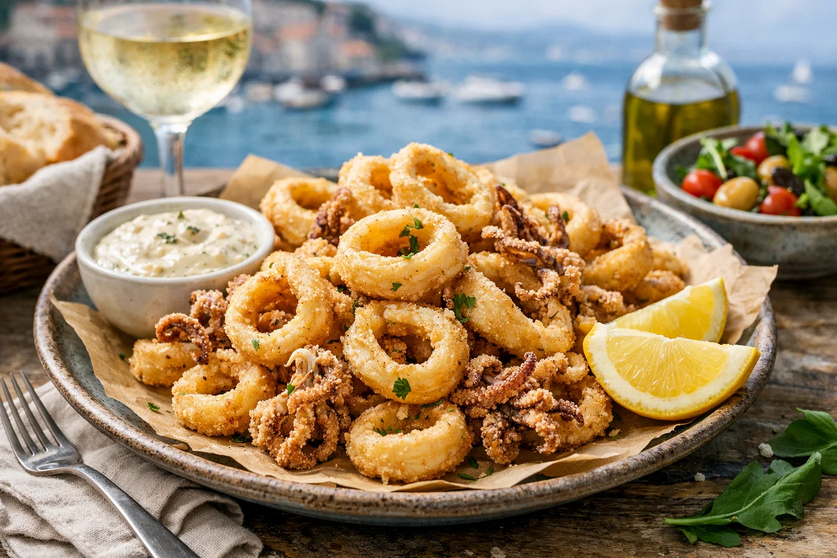
Calamariere has long captured the essence of Mediterranean cuisine, offering a perfect blend of simplicity, flavor, and tradition. Rooted in Italian coastal culture, this seafood dish transforms fresh squid into tender, golden bites cherished around the globe. From ancient Roman banquets to 2026 modern fusion menus, calamariere continues to charm food enthusiasts with its versatility, nutritional value, and ability to adapt to global tastes. Whether fried, grilled, or incorporated into innovative recipes, calamariere offers an unforgettable experience of sun-soaked coasts and the Mediterranean’s culinary heritage.
What is Calamariere?
At its core, calamariere refers to squid prepared in the traditional Italian coastal style, typically featuring rings or tentacles lightly battered and fried. Derived from the Italian word “calamaro,” meaning squid, the dish emphasizes fresh, high-quality seafood enhanced by simple yet bold ingredients like garlic, lemon, and fresh herbs. Calamariere is versatile—it can be served as an appetizer, main course, or part of a seafood platter. By 2026, this Italian favorite has transcended its regional roots, appearing in fusion menus worldwide, from New York fine dining to Lahore street-style delicacies. Its charm lies in achieving a tender, chew-free texture that complements numerous pairings.
Ancient Origins of Calamariere
The history of calamariere dates back to ancient Greece and Rome, where squid was enjoyed at feasts and banquets. Archaeological evidence reveals simple grilled preparations with olive oil, prized for the squid’s “pen-like” shell, called calamus in Latin. Over centuries, trade routes helped spread squid recipes: Greeks preferred straightforward grilling, while Middle Eastern chefs incorporated spices for depth. By the Middle Ages, Italian fishermen along coastal regions elevated squid from bait to delicacy, stuffing or frying it to perfection. Sicilian cooks in the 19th century refined batter techniques, creating the golden, crispy calamariere we enjoy today. The dish’s evolution mirrors centuries of migration, adaptation, and innovation.
Italian Regional Variations of Calamariere
Italy showcases a remarkable diversity in calamariere preparations. In Sicily, squid rings are fried in semolina for extra crunch or grilled ai ferri over open flames. Naples features squid slow-cooked in tomato ragu, resulting in tender, flavorful bites. The Veneto region delights with stuffed squid, combining breadcrumbs, garlic, and parsley, while Liguria emphasizes herb-infused grilled versions. Northern Italy sometimes adds cream sauces, whereas southern regions retain lighter, lemony styles. In 2026, calamariere alla griglia is trending among health-conscious diners seeking flavor without excess oil. Each region contributes its own signature, painting squid dishes with unique culinary strokes.
Calamariere Around the Globe
While calamariere is rooted in Italy, its appeal has gone global. Spain’s rabas offers a spicy fried variant, while Japan’s ika rings feature light battering for sushi and fried dishes. In the United States, fried calamari became a popular appetizer in the 1970s, elevating squid to chic dining status. Greece prefers whole charred squid, while Thailand stir-fries it with aromatic chilies. Even Pakistan, particularly Lahore, incorporates calamariere with tikka masala flavors, creating a fusion delight. By 2026, international chefs continue experimenting, maintaining calamariere’s freshness while introducing regional flavors and contemporary cooking methods.
Essential Ingredients for Calamariere
High-quality ingredients are key to perfect calamariere. Fresh squid—tubes and tentacles—is essential; lightly scoring the surface prevents curling during cooking. Batters can be simple, such as a mixture of flour, cornstarch, and salt, or enhanced with breadcrumbs for extra crunch. Flavor enhancers include lemon, parsley, garlic, and chili flakes, while frying requires neutral oils like canola at around 350°F. Serving options include aioli, marinara, or lemon wedges. Sustainable squid sourced from the Mediterranean or Atlantic ensures superior quality. Many chefs opt for frozen squid, thawed overnight for optimal texture, maintaining freshness for 2026 kitchens worldwide.
Step-by-Step Calamariere Recipe
Preparing calamariere at home is straightforward. Begin with 1 lb of squid, sliced into ½-inch rings and patted dry. Mix 1 cup flour, ½ cup cornstarch, 1 tsp salt, ½ tsp pepper for the dredge. Coat squid evenly and fry in batches for 2–3 minutes until golden brown. Drain and toss with lemon zest and optional chili flakes. This recipe serves four and is ready in 20 minutes. For 2026 trends, try an air-fryer version at 400°F for 8 minutes, delivering the same crisp exterior with less oil. The result is perfectly golden, tender inside, and irresistible on any table.
Grilling and Alternative Cooking Methods
While frying remains classic, calamariere can be grilled or cooked innovatively. Grilling whole squid involves brushing with olive oil, seasoning, and charring over high heat for 2 minutes per side. Stuffed calamariere combines breadcrumbs, cheese like pecorino, and herbs, baked at 375°F for 20 minutes. Other methods include stir-frying slices with vegetables, steaming Asian-style, sous-vide at 140°F, or slow-cooked ragu. Each technique offers unique textures and flavors, catering to dietary preferences and moods. In 2026, chefs experiment with fusion and health-conscious adaptations, showcasing calamariere’s culinary versatility.
Fried Calamariere: The Classic Preparation
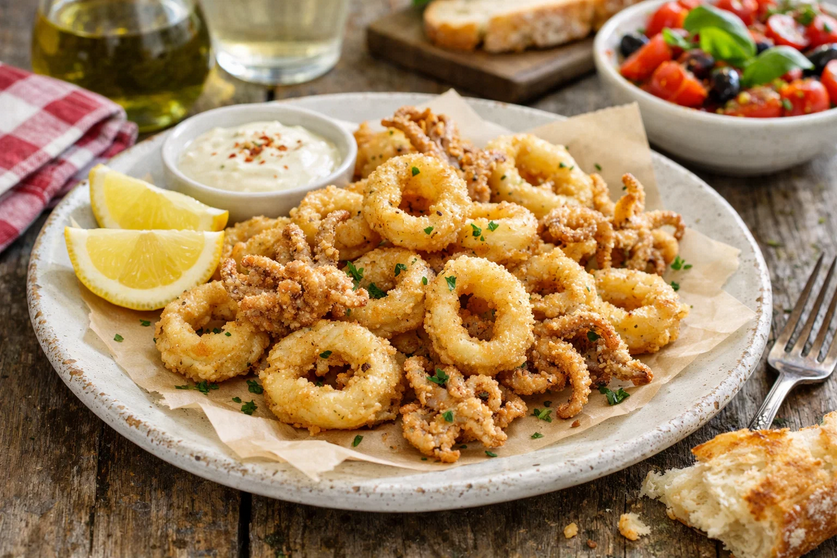
Fried calamariere is the most beloved style. Achieving crispy perfection requires a double dredge: first in flour, then an egg wash, followed by seasoned crumbs. Fry small batches to avoid lowering the oil temperature, which can make squid soggy. Traditional Sicilian versions may add cumin, while classic Italian maintains a pure, golden flavor. Serve immediately with taralli, polenta, or lemon wedges for authentic enjoyment. The crunch outside paired with silky squid inside makes this preparation timeless and universally adored.
Nutritional Profile and Health Benefits
Calamariere is not only delicious but nutrient-rich. Per 100 grams, it contains about 16g protein, 90 calories, and minimal fat, making it ideal for calorie-conscious diners. It is abundant in vitamin B12, selenium, and copper, supporting immunity and overall wellness. Omega-3 fatty acids present in squid help combat inflammation, and its low mercury content makes it safer than many other seafood options. For 2026 keto or low-carb enthusiasts, calamariere provides approximately 15g protein and 3g carbs per serving, blending indulgence with health benefits.
Sourcing and Sustainability for Calamariere
Sustainable sourcing is vital for ethically enjoyed calamariere. Choose MSC-certified squid and avoid overfished species like Humboldt squid. Markets often sell pre-cleaned squid, but proper cleaning—removing beak, ink sac, and cartilage—is crucial for quality. Frozen squid retains flavor and should be thawed in cold water. Supporting small-scale fisheries not only preserves traditional methods but also ensures responsible seafood consumption. In 2026, chefs increasingly prioritize planet-friendly plates without compromising flavor, reflecting global awareness in culinary practice.
Pairing Calamariere with Wines and Sides
Perfect pairings elevate calamariere. Crisp white wines such as Pinot Grigio or Vermentino balance its richness, while light reds like Chianti complement tomato-based preparations. Beer options like Peroni refresh the palate during fried dishes. Popular sides include fennel salad, arugula, or fried lemon wedges, while international variations might incorporate raita and naan for South Asian fusion. Proper pairings accentuate calamariere’s delicate flavors and provide a harmonious, memorable dining experience, ideal for home meals or fine dining in 2026.
Common Mistakes and Pro Tips
To master calamariere, avoid overcooking, which toughens squid. Wet squid will steam rather than crisp, so pat dry thoroughly. Using the wrong oil or overcrowding the pan can compromise texture. Allow fried squid to rest 5 minutes before serving. A 2026 cooking hack includes adding baking powder to the batter for extra puffiness. Attention to these details ensures consistent results and keeps calamariere tender, flavorful, and visually appealing, whether at home or in restaurants.
Calamariere in Modern Fusion Cuisine
Chefs worldwide are reimagining calamariere. Korean versions incorporate gochujang sauces, while Mexican-inspired tacos bring bold spices to the table. Plant-based adaptations use oyster mushrooms to replicate texture, appealing to vegan diners. In Lahore, chefs combine panko-coated calamariere with biryani rice, creating Desi fusion plates. Molecular gastronomy experiments with spherified squid ink pearls, and 2026 trends include AI-assisted recipes for personalized flavor profiles. Fusion keeps calamariere relevant, bridging tradition with innovation for global palates.
Cultural Significance and Festivals
Calamariere holds cultural importance in Italy and abroad. It features prominently in Ferragosto feasts, San Giovanni fairs, and Sicilian sagre celebrating squid harvests. Diaspora communities maintain traditions through local menus, preserving culinary heritage. Globally, food festivals and social media platforms amplify calamariere’s popularity, making it a symbol of shared meals and conviviality. Its presence at celebrations reinforces its role as more than food—it’s a marker of Mediterranean lifestyle, communal joy, and culinary identity in 2026 and beyond.
Calamariere vs. Similar Seafood Dishes
| Dish | Origin | Prep Style | Texture |
|---|---|---|---|
| Calamariere | Italy | Fried/Grilled | Tender-crisp |
| Calamares | Spain | Fried spicy | Crunchy |
| Ika | Japan | Sashimi/Fried | Chewy |
| Baby Squid | Greece | Stuffed | Juicy |
| Salt & Pepper Squid | China | Stir-fried | Spicy-crisp |
Though similar to global squid dishes, calamariere retains its Italian flair through simple seasoning, versatile cooking methods, and delicate textures.
Storing and Reheating Calamariere Leftovers
Freshly fried calamariere is best enjoyed immediately, but leftovers can be stored for up to 2 days in the fridge. Reheating in an air fryer at 350°F for 3 minutes revives crispiness. Raw squid can be frozen for up to 3 months, but avoid microwaving fried leftovers to prevent sogginess. Batch preparations are ideal for parties, ensuring tender, golden calamariere is always ready without compromising texture. Proper storage maintains both flavor and integrity, crucial for enjoying this Mediterranean classic.
Calamariere for Special Diets
Calamariere adapts well to dietary preferences. Gluten-free versions use rice or almond flour in the batter, while keto adaptations swap in almond flour or crushed pork rinds and benefit from air-frying for reduced oil. Vegan alternatives mimic squid texture with mushrooms or plant-based seafood. Even in 2026, calamariere remains inclusive, satisfying a range of dietary needs while preserving taste, texture, and presentation.
The Future of Calamariere in 2026
The future of calamariere combines tradition and innovation. Lab-grown squid is emerging, while AI-driven recipes personalize seasoning and cooking methods. Plant-based versions are rising amid sustainability concerns. Global chains standardize classic recipes yet innovate with international twists. Regardless of format, calamariere remains a timeless culinary delight, bridging ancient Mediterranean culture with modern tastes, ensuring its relevance for chefs and home cooks alike in 2026.
Conclusion
Calamariere bridges ancient coastal traditions and contemporary global cuisine, delivering tender, flavorful seafood that is both nutritious and versatile. From Sicilian shores to fusion kitchens worldwide, this Italian classic adapts while maintaining its Mediterranean soul. Whether fried, grilled, stuffed, or reinvented in fusion creations, calamariere delights with crisp textures, rich flavors, and cultural significance. In 2026, it continues to inspire chefs and home cooks alike, proving that a simple squid dish can offer timeless joy, shared memories, and culinary artistry.
FAQs
1. What is calamariere?
Calamariere is an Italian squid dish, typically fried or grilled, made from fresh squid and enhanced with simple seasonings.
2. Where does calamariere originate?
It traces back to ancient Greece and Rome but was refined along Italy’s coastal regions, especially Sicily.
3. How do I fry calamariere perfectly?
Dry squid thoroughly, dredge in a flour mix, and fry at 350°F for about 2 minutes until golden and tender.
4. Is calamariere healthy?
Yes, it’s high in protein, low in calories, and rich in omega-3s and essential minerals.
5. Can calamariere be gluten-free?
Absolutely—use rice or almond flour in the batter for a seamless gluten-free version.
6. What wine pairs best with calamariere?
Crisp whites like Pinot Grigio or Vermentino complement fried or grilled calamariere.
7. How can I ensure calamariere is sustainable?
Choose MSC-certified squid, avoid overfished species, and support small-scale fisheries.
Get more updates or Stories on Pep Boys