
 Martin
In kitchens across the Middle East and Mediterranean, a creamy sesame paste quietly transforms simple dishes into rich culinary experiences. From hummus to salad dressings and desserts, tahini has become an essential ingredient in many global cuisines. But for many people discovering it for the first time, one question naturally arises: what is tahini?
At its core, tahini is a smooth paste made from ground sesame seeds. Despite its simple ingredients, it offers a deep, nutty flavor and remarkable versatility. Today, it is not only used in traditional recipes but also in modern cooking, vegan diets, and health-focused meals.
This detailed guide explores what is tahini, its history, nutritional benefits, varieties, culinary uses, and practical tips for using it in everyday cooking.
Understanding What Is Tahini
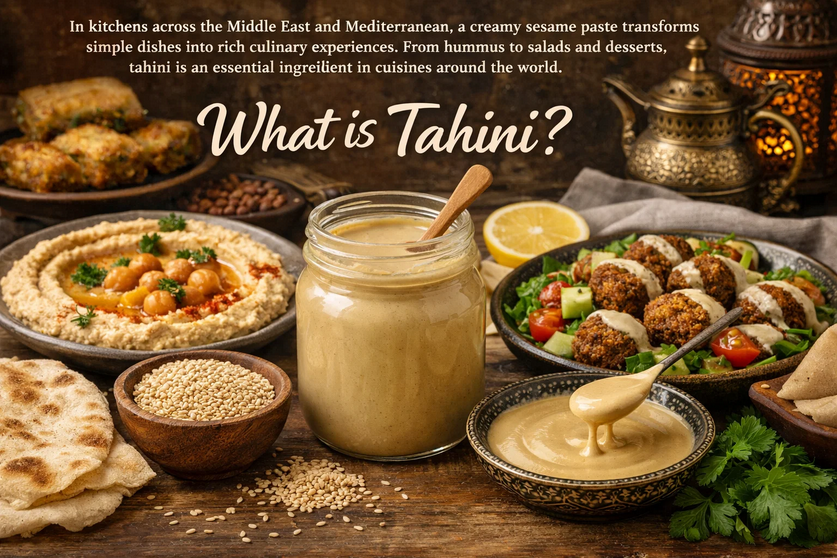
To answer the question what is tahini, it helps to look at its basic composition and characteristics. Tahini is a paste made by grinding sesame seeds into a smooth, creamy consistency. Depending on the preparation method, the seeds may be raw or lightly toasted before grinding.
The result is a rich paste that resembles nut butter but has a slightly earthy and mildly bitter flavor. Unlike peanut butter, which often contains sugar or stabilizers, traditional tahini typically contains only sesame seeds.
The paste is widely used in various culinary traditions because it offers:
• A smooth and creamy texture
• A distinct nutty flavor
• A natural source of healthy fats
• A versatile base for sauces and dips
When you open a jar of tahini, you may notice oil floating on the top. This is completely natural because the oil from sesame seeds separates over time. Stirring the mixture restores its creamy texture.
Because of its simple ingredients and nutritional value, tahini has become increasingly popular in modern plant-based cooking.
The Ancient History Behind Tahini
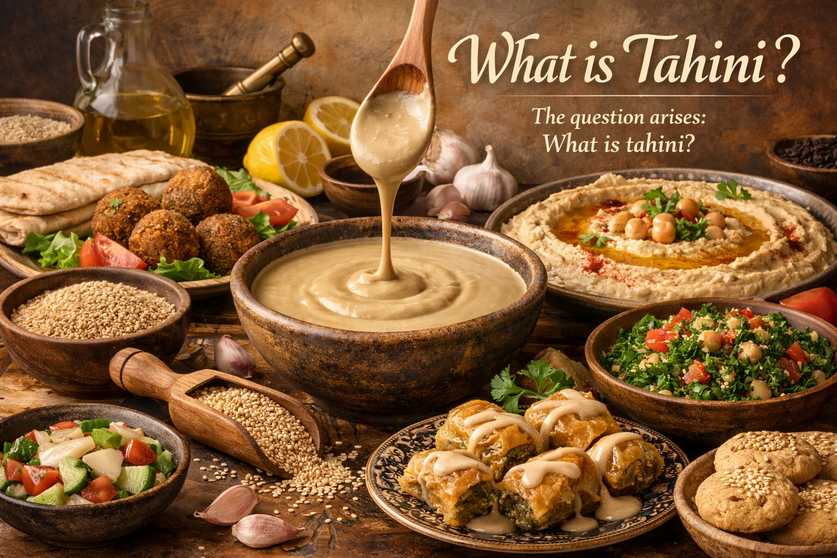
The origins of tahini date back thousands of years. Sesame seeds themselves are among the oldest cultivated crops in the world, with archaeological evidence tracing their use to around 3000 BCE in ancient Mesopotamia and Persia.
In early civilizations, sesame seeds were valued for their rich oil content and long shelf life. Ancient cultures often ground them into pastes or sauces, creating early versions of what we now recognize as tahini.
The word “tahini” comes from the Arabic word “tahina,” meaning “to grind.” This name reflects the traditional method used to transform sesame seeds into paste.
Over centuries, tahini spread through trade routes and cultural exchange. It became a staple in several regional cuisines:
• Middle Eastern cuisine – used in hummus and sauces
• Mediterranean cooking – served with vegetables and meats
• North African dishes – included in dips and spreads
• Asian cuisine – used in sesame-based sauces
By the 20th century, tahini gained popularity in Western countries, especially with the rise of Mediterranean and plant-based diets. Today, it is a global pantry ingredient enjoyed in countless recipes.
How Tahini Is Made: From Sesame Seeds to Smooth Paste
Understanding the production process helps explain what makes tahini unique. While commercial brands use large-scale equipment, the basic process remains similar to traditional methods.
Selecting and Cleaning the Seeds
High-quality sesame seeds are the foundation of good tahini. Producers carefully clean the seeds to remove dirt, debris, and damaged kernels before processing.
Many manufacturers use sesame seeds from regions known for their quality, including Ethiopia, India, and Sudan.
Hulling the Seeds
Some sesame seeds have a thin outer shell called the hull. Removing this hull creates a smoother and milder paste, which is the most common type sold in stores.
Whole-seed tahini retains the hulls, producing a darker and slightly more bitter flavor.
Roasting the Seeds
In many recipes, sesame seeds are lightly roasted before grinding. Roasting enhances the nutty aroma and deepens the flavor of the final paste.
The roasting process must be carefully controlled to prevent burning, which can create bitterness.
Grinding the Seeds
After roasting, the sesame seeds are ground using stone mills or industrial grinders. This grinding process releases natural oils and transforms the seeds into a creamy paste.
Some manufacturers add a small amount of sesame oil to improve texture.
Packaging and Storage
Once the paste reaches the desired consistency, it is packaged into jars. Because it contains natural oils, oil separation occurs naturally, which is why stirring is recommended before use.
This simple production method highlights how a basic ingredient can become a culinary staple.
Nutritional Value and Health Benefits of Tahini
Beyond flavor, tahini is valued for its impressive nutritional profile. Sesame seeds contain numerous vitamins, minerals, and plant compounds that support overall health.
A typical tablespoon of tahini contains approximately 90 calories, mostly from healthy fats derived from sesame oil.
Important nutrients found in tahini include:
• Calcium – essential for strong bones
• Iron – supports healthy blood circulation
• Magnesium – contributes to muscle and nerve function
• Zinc – supports immune health
• Protein – plant-based energy source
Tahini also contains powerful antioxidants known as sesamin and sesamolin, which may help reduce inflammation and support heart health.
Additional health benefits may include:
• Supporting healthy cholesterol levels
• Providing long-lasting energy
• Helping maintain stable blood sugar levels
• Supporting digestive health due to fiber content
Because of these qualities, tahini is often included in vegan, vegetarian, and Mediterranean diets.
Different Types of Tahini
Not all tahini varieties taste the same. Differences in sesame seeds and processing methods create several unique styles.
Hulled Tahini
This is the most common type found in grocery stores. The outer hull of the sesame seed is removed before grinding.
Characteristics include:
• Light color
• Smooth texture
• Mild flavor
It is widely used in hummus, sauces, and salad dressings.
Unhulled Tahini
Unhulled tahini uses the whole sesame seed, including the outer shell.
Key characteristics:
• Darker color
• Slightly thicker texture
• More intense flavor
It contains more fiber and minerals but may taste slightly more bitter.
Raw Tahini
Raw tahini is made from sesame seeds that are not roasted before grinding.
Features include:
• Lighter flavor
• Slightly grassy taste
• Higher natural nutrient retention
This version is often preferred in health-focused recipes.
Black Sesame Tahini
Made from black sesame seeds, this type has a deeper color and richer taste.
It is often used in Asian desserts and sauces.
These variations allow cooks to choose the best type for different dishes.
Popular Culinary Uses for Tahini
Tahini’s versatility makes it a valuable ingredient in many recipes. Its creamy consistency allows it to function as both a flavor enhancer and a base ingredient.
Some of the most popular uses include:
• Hummus – blended with chickpeas, garlic, and lemon
• Baba ganoush – mixed with roasted eggplant
• Salad dressings – combined with lemon juice and garlic
• Sauces for grilled meats or vegetables
• Desserts such as halva and baked goods
In addition to traditional recipes, modern chefs use tahini in creative ways.
Examples include:
• Smoothies and protein drinks
• Vegan pasta sauces
• Tahini cookies and brownies
• Breakfast toast with honey or fruit
• Marinades for roasted vegetables
This versatility explains why tahini has become a favorite ingredient among home cooks and professional chefs.
Simple Recipes to Try with Tahini
Exploring what is tahini becomes more exciting when you try cooking with it. Here are a few simple ideas that highlight its flavor.
Classic Tahini Sauce
Ingredients:
• ½ cup tahini
• 2 tablespoons lemon juice
• 1 garlic clove
• 3–4 tablespoons water
• Salt to taste
Whisk the ingredients together until smooth. Adjust water until the sauce reaches a creamy, pourable consistency.
This sauce pairs perfectly with roasted vegetables, falafel, or grilled chicken.
Quick Tahini Dressing
Combine tahini with lemon juice, olive oil, and a little honey. The result is a creamy dressing that works well with salads or grain bowls.
Tahini Banana Smoothie
Blend the following ingredients:
• 1 banana
• 1 tablespoon tahini
• 1 cup almond milk
• A few ice cubes
This smoothie provides a nutritious breakfast with healthy fats and protein.
How to Choose Quality Tahini
When shopping for tahini, quality matters. The best products use 100 percent sesame seeds without unnecessary additives.
Look for these indicators:
• Smooth consistency
• Light nutty aroma
• Minimal ingredients
• Natural oil separation
Glass jars are often preferred because they preserve freshness better than plastic containers.
Many people also prefer organic tahini, which is made from sesame seeds grown without synthetic pesticides.
Proper Storage and Shelf Life
Proper storage helps maintain flavor and freshness.
Unopened jars can usually be stored at room temperature for up to one year. After opening, refrigeration helps extend shelf life.
Storage tips include:
• Stir well before use
• Keep the lid tightly sealed
• Refrigerate after opening for longer freshness
• Avoid introducing water or food particles into the jar
If the paste develops a strong rancid smell, it may have spoiled and should be discarded.
Tahini Compared to Other Nut Butters
Tahini is often compared to nut butters like peanut butter and almond butter, but it has several distinct characteristics.
Key differences include:
• Made from sesame seeds instead of nuts
• Less sweet and more savory flavor
• Higher calcium content
• Often used in savory cooking rather than spreads
Despite these differences, tahini can sometimes be used as a substitute for nut butter in recipes, especially in baking or sauces.
Conclusion
So, what is tahini? It is far more than just a sesame seed paste. With roots in ancient culinary traditions and a growing role in modern cooking, tahini has become a global ingredient valued for both flavor and nutrition.
From classic Middle Eastern dishes to innovative desserts and plant-based recipes, its creamy texture and nutty taste make it incredibly versatile. Combined with its rich nutrient profile, tahini continues to gain popularity among chefs, health enthusiasts, and home cooks alike.
Whether you drizzle it over roasted vegetables, blend it into hummus, or add it to smoothies, tahini offers a simple way to elevate everyday meals.
Frequently Asked Questions (FAQs)
What is tahini made from?
Tahini is made from ground sesame seeds, sometimes roasted before grinding to enhance flavor.
Is tahini healthy?
Yes. Tahini contains healthy fats, protein, and minerals such as calcium, magnesium, and iron.
Does tahini taste like peanut butter?
Not exactly. Tahini has a more earthy and slightly bitter flavor, while peanut butter is sweeter.
Can tahini be eaten by people with nut allergies?
Yes. Tahini is made from sesame seeds, not nuts, but people with sesame allergies should avoid it.
How long does tahini last after opening?
When stored in the refrigerator, opened tahini can last several months.
Can tahini be used in desserts?
Yes. Tahini is commonly used in sweets like halva, cookies, brownies, and smoothies.
Why does oil separate in tahini jars?
Oil separation is natural because tahini contains pure sesame oil. Simply stir the paste before using.
Get more updates or Stories on Pep Boys