 Martin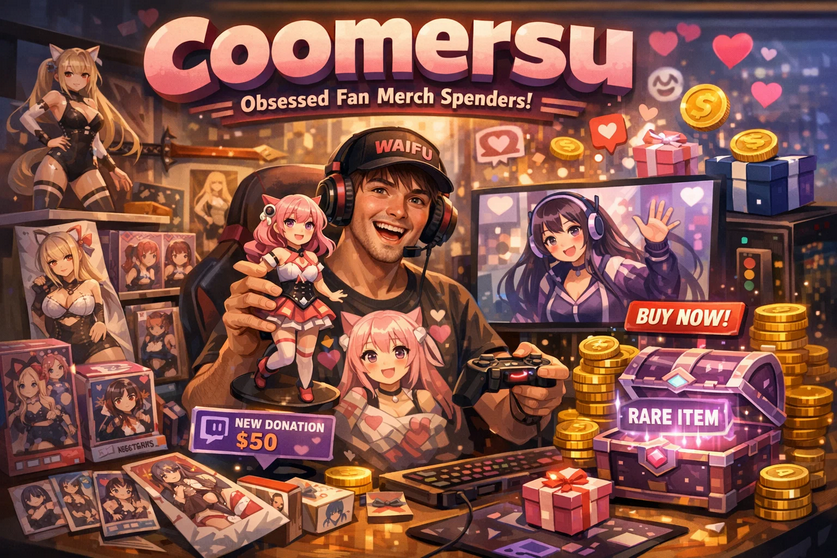
The internet constantly creates new words that capture unique behaviors and social trends. One such term gaining traction in online communities is coomersu. At first glance, the word may sound unusual or humorous, but it represents a deeper cultural phenomenon tied to fandoms, online spending, and digital identity.
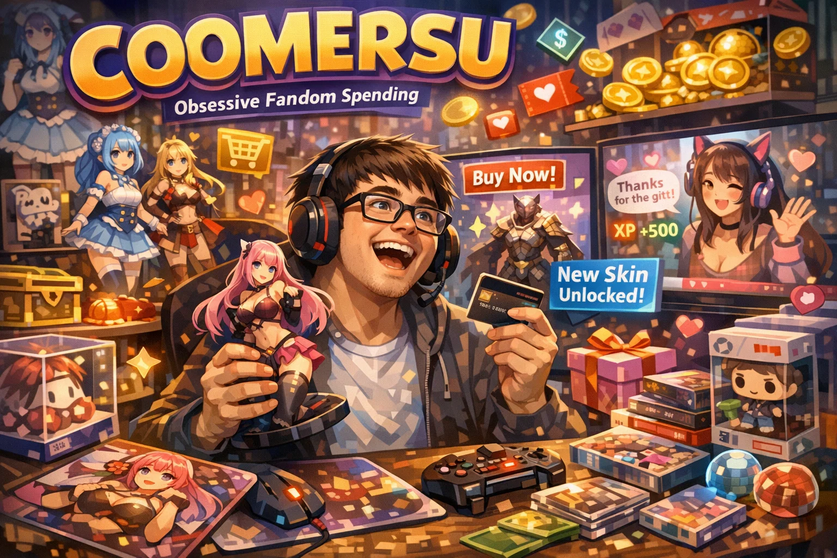
In simple terms, coomersu describes people who enthusiastically spend money on merchandise, digital items, or collectibles connected to their favorite fictional characters or online personalities. From anime figurines and gaming skins to virtual gifts for streamers, this behavior reflects the powerful connection between modern fans and the digital worlds they love.
This article explores the meaning, origin, psychology, cultural influence, and potential risks associated with the term. By the end, you will clearly understand how this internet slang emerged and why it continues to spread across online communities worldwide.
What Is Coomersu?
To understand coomersu, it helps to break down the word itself. The term combines two internet concepts: “coomer”, a meme referring to compulsive online indulgence, and “consumer,” which relates to purchasing products or services.
When these ideas merge, they form a humorous label describing fans who spend heavily on things connected to their favorite fictional characters, games, or online personalities.
The term is often used playfully rather than as an insult. Many fans jokingly call themselves coomersu when they purchase large amounts of merchandise or digital items related to their interests.
Examples of behaviors associated with this concept include:
• Buying collectible anime figures or posters
• Spending money on in-game skins or gacha characters
• Donating money to online streamers or VTubers
• Purchasing themed merchandise like clothing or accessories
In most cases, the term reflects passionate fandom combined with consumer spending, making it both humorous and relatable within internet culture.
The Origins of the Coomersu Meme
The roots of the term can be traced back to the “coomer” meme, which appeared around 2019 on various online forums. The meme originally depicted a character who was addicted to digital content and constantly seeking online stimulation.
Over time, internet communities began adapting the meme into different variations. Around 2023–2024, users started combining the concept with consumer culture, particularly in anime and gaming communities.
The added “su” suffix was inspired by Japanese-style fan slang commonly used in anime culture. This linguistic twist gave the word a playful and recognizable tone within fandom spaces.
By 2025, the term spread across several platforms:
• Reddit discussion threads
• Twitter (now known as X) meme posts
• Discord community chats
• TikTok comedy sketches
As online fandom spending increased, the term gained even more relevance. Memes depicting fans spending large amounts of money on fictional characters quickly became popular and widely shared.
Why Coomersu Became Popular Online
Internet culture thrives on humor, relatability, and shared experiences. The reason coomersu gained popularity is that it perfectly captures a behavior many fans recognize in themselves.
Modern digital platforms encourage strong emotional connections between fans and creators or characters. When people feel attached to something they love, spending money becomes part of expressing that connection.
Several factors contributed to the rise of this trend:
• Rapid growth of online fandom communities
• Increased popularity of digital collectibles
• Expansion of live streaming platforms
• Global growth of anime and gaming industries
These trends created a perfect environment for a term that humorously describes passionate spending habits.
Coomersu vs Other Internet Slang Terms
Internet slang often overlaps, which can make it confusing. While coomersu shares similarities with other terms, it has a distinct meaning focused on spending behavior.
Here are some related terms and how they differ:
Simp
This term refers to someone who shows excessive admiration or devotion to a person, usually seeking attention or approval. It usually involves real individuals rather than fictional characters.
Coomer
This meme describes compulsive online behavior but does not specifically focus on purchasing or consumer activity.
Gacha Whale
This term is used in gaming communities for players who spend large amounts of money on randomized game items.
Waifu Enthusiast
A fan who has strong emotional attachment to a fictional character but may not necessarily spend money on merchandise.
The concept behind coomersu is unique because it combines emotional attachment with consumer spending.
The Psychology Behind Coomersu Behavior
Understanding the psychological factors behind coomersu behavior helps explain why people participate in it. Several psychological mechanisms play a role.
One major factor is parasocial relationships. These are one-sided emotional connections people form with fictional characters or online personalities. Even though the relationship is not mutual, it still feels meaningful.
Buying merchandise or digital items can strengthen this emotional connection. The purchase becomes a physical or digital reminder of the bond.
Other psychological motivations include:
• Desire for belonging within a fan community
• Emotional comfort during stressful times
• Reward-driven spending habits
• Fear of missing limited-edition products
The brain releases dopamine when people receive rewards or experience excitement. Purchasing items connected to favorite characters can trigger that same reward system.
The Role of Fandom Communities
Online fandom communities play a major role in the spread of coomersu culture. Communities built around anime, gaming, comics, and streaming often encourage fans to share their collections and experiences.
Within these communities, spending on merchandise is sometimes viewed as a sign of dedication. Fans proudly display their collections or share screenshots of digital purchases.
Common community activities include:
• Sharing merchandise collections online
• Posting unboxing videos of new items
• Participating in group purchases or events
• Supporting creators through donations or subscriptions
These shared experiences help strengthen community bonds while reinforcing the culture surrounding fandom spending.
Coomersu in Gaming and Virtual Economies
Video games have significantly influenced the growth of this phenomenon. Many modern games include microtransactions, cosmetic items, and randomized reward systems.
Players may spend money to obtain rare characters, outfits, or weapons. This type of spending often becomes a central part of the gaming experience.
Examples of spending behaviors include:
• Purchasing character skins
• Buying randomized loot boxes
• Spending on gacha systems for rare characters
• Unlocking limited seasonal content
For some players, collecting these items becomes a hobby similar to collecting trading cards or figurines.
The Economic Impact of Fandom Spending
The rise of coomersu culture reflects a larger shift in the global entertainment economy. Fandom-driven commerce has become a powerful market force.
Industries benefiting from fan spending include:
• Anime and manga merchandise
• Gaming microtransactions
• Streaming platforms and donations
• Custom fan-made products
Fan communities support a massive creator economy. Independent artists often produce custom merchandise that appeals to niche fandom audiences.
Some artists build entire careers by creating content specifically for passionate fan communities.
Risks and Potential Downsides
Although spending on hobbies can be enjoyable, excessive behavior may lead to problems. Some fans may struggle with financial responsibility if they overspend on merchandise or digital items.
Possible risks include:
• Accumulating credit card debt
• Developing addictive spending habits
• Falling victim to online scams
• Feeling social pressure to keep up with others
To maintain healthy habits, experts recommend setting clear budgets for entertainment spending.
Helpful strategies include:
• Setting monthly spending limits
• Avoiding impulsive purchases
• Waiting before buying limited items
• Tracking purchases over time
Responsible spending allows fans to enjoy their interests without negative financial consequences.
How Brands and Creators Use the Trend
Companies have recognized the strong spending habits within fandom communities. As a result, many brands design marketing strategies that appeal directly to passionate fans.
These strategies often include:
• Limited-edition merchandise drops
• Exclusive online events
• Collaboration with popular creators
• Special digital collectibles
Streaming platforms and game developers frequently release time-limited items to encourage immediate purchases.
This marketing approach increases engagement while strengthening brand loyalty.
The Future of Coomersu Culture
As digital entertainment continues to evolve, fandom-driven consumer behavior will likely grow even further. New technologies are creating additional ways for fans to interact with their favorite characters and creators.
Emerging trends include:
• Virtual reality fan experiences
• Digital collectibles and avatars
• AI-generated character content
• Interactive fan communities
These developments may make fandom connections even stronger, increasing the influence of spending-driven fan culture.
However, awareness of responsible spending will also remain an important part of maintaining healthy fan communities.
Conclusion
The term coomersu captures a unique intersection of internet humor, fandom culture, and consumer behavior. While it began as a playful meme within online communities, it now reflects a broader cultural pattern where fans express passion through purchases.
From anime figurines and gaming skins to digital donations and collectibles, this behavior highlights the emotional connections people build with the media they love.
Like many internet trends, the concept is best understood with balance. Enjoying fandom hobbies and supporting creators can be positive experiences when approached responsibly. As digital culture continues evolving, the phenomenon behind this term will likely remain a fascinating example of how online communities shape modern spending habits.
Frequently Asked Questions (FAQs)
What does coomersu mean?
It refers to fans who enthusiastically spend money on merchandise, digital items, or collectibles related to their favorite fictional characters or online personalities.
Is coomersu considered an insult?
Not always. In many online communities, it is used humorously or self-referentially rather than as a serious insult.
When did the term coomersu become popular?
The term began gaining popularity around 2023–2024 in anime, gaming, and meme communities.
Is coomersu related to gaming culture?
Yes. Many examples involve spending money on gaming items such as skins, gacha characters, and in-game collectibles.
Can coomersu behavior be harmful?
It can become problematic if spending becomes excessive or leads to financial stress. Responsible budgeting is important.
Why do people become coomersu?
Psychological factors such as fandom loyalty, emotional attachment to characters, and community influence often motivate this behavior.
Is coomersu part of internet meme culture?
Yes. The term originated as a meme and continues to spread through social media platforms and online communities.
Get more updates or Stories on Pep Boys