 Martin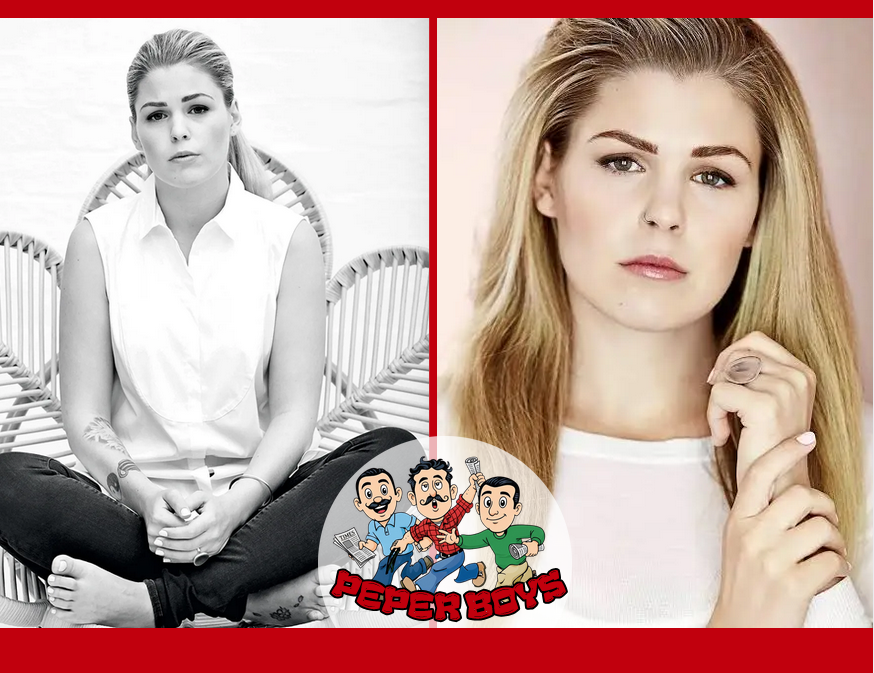
The story of Belle Gibson is one of the most controversial scandals in the modern wellness industry. Once celebrated as a health guru who claimed to have cured terminal brain cancer through diet and natural therapies, she gained worldwide fame and built a thriving online brand. Millions of followers admired her for promoting healthy living and alternative healing methods.
However, the inspirational narrative surrounding Belle Gibson eventually collapsed when investigations revealed that her cancer story was fabricated. The shocking revelation not only destroyed her career but also sparked global debates about social media influence, health misinformation, and ethical responsibility in the wellness industry.
| Field | Details |
|---|---|
| Full Name | Annabelle Natalie Gibson |
| Known As | Belle Gibson |
| Date of Birth | October 8, 1991 |
| Age (2026) | 34 years old |
| Birthplace | Launceston, Tasmania, Australia |
| Nationality | Australian |
| Profession | Former wellness influencer, author, entrepreneur |
| Famous For | Cancer wellness hoax and The Whole Pantry brand |
| Education | Dropped out of high school |
| Early Career | Call center worker for a private health insurance company |
| Major Project | The Whole Pantry App (2014) |
| Book | The Whole Pantry Cookbook (2015) |
| Social Media Following | Over 300,000 Instagram followers at peak |
| Key Claim | Said she cured terminal brain cancer through diet and alternative therapy |
| Scandal Revealed | 2015 investigation revealed she never had cancer |
| Legal Case | Sued by Consumer Affairs Victoria |
| Court Penalty | $410,000 AUD fine in 2019 for misleading consumers |
| Charity Claims | Promised donations to multiple charities but failed to deliver funds |
| Public Status | Mostly absent from media since the scandal |
| Residence | Believed to live privately in Australia |
| Cultural Impact | Inspired documentaries and the Netflix series “Apple Cider Vinegar” (2025) |
| Known For Today | One of the most infamous wellness fraud cases in social media history |
Early Life and Family Background
Annabelle Natalie Gibson, known publicly as Belle Gibson, was born on October 8, 1991, in Launceston, Tasmania, Australia. She later claimed to have grown up in Brisbane, although various reports indicated that many details of her early life were inconsistent or exaggerated.
According to her own accounts, Gibson experienced a difficult childhood marked by family struggles and health issues affecting relatives. She often described caring for her mother, who she claimed suffered from multiple sclerosis and chronic fatigue syndrome, while also helping support an autistic brother. These stories painted a picture of a young girl forced to mature quickly.
However, later investigations raised questions about these claims. Some family members denied certain parts of her narrative, suggesting that aspects of her upbringing may have been exaggerated to support the persona she later built as a resilient survivor.
Teenage Years and Early Independence
During her teenage years, Belle Gibson reportedly faced challenges in school and eventually dropped out before completing her education. She often spoke about leaving home at a young age and becoming financially independent.
At 17 years old, she moved to Perth, Western Australia, where she began working in a call center for a private health insurance company. This job exposed her to medical terminology and healthcare systems, knowledge that would later become significant in shaping the narrative she shared with the public.
Around this time, she began presenting herself as someone who had faced serious medical issues. These claims would eventually evolve into the central story that launched her career as a wellness influencer.
The Beginning of the Cancer Claims
The turning point in Gibson’s story occurred when she began telling people that she had been diagnosed with terminal brain cancer. According to her claims, doctors had given her only four to six months to live.
She stated that she had rejected conventional treatments such as chemotherapy and radiation. Instead, she claimed that she chose to rely on alternative therapies, natural foods, and lifestyle changes.
Her supposed healing approach included:
• Strict organic and plant-based diets
• Avoidance of processed foods and refined sugar
• Meditation and mindfulness practices
• Natural supplements and alternative therapies
These claims resonated strongly with the growing global wellness movement, which increasingly embraced holistic health approaches and skepticism toward traditional medicine.
The Launch of The Whole Pantry
In March 2014, Belle Gibson launched a smartphone application called The Whole Pantry. The app promoted recipes, wellness advice, and lifestyle guidance centered on natural foods and clean eating.
The application quickly gained massive popularity. Within its first month, it was downloaded more than 300,000 times and received recognition as one of the best food and lifestyle apps on Apple’s platform.
The success of the app helped transform her into a global influencer. Her brand expanded rapidly across social media platforms, particularly Instagram, where she gained hundreds of thousands of followers.
Key features of The Whole Pantry included:
• Plant-based recipes and meal plans
• Guides for healthy living and nutrition
• Personal stories about healing from illness
• Motivational wellness advice
Through the app and her social media presence, Gibson built a reputation as a living example of natural healing.
Building a Wellness Empire
As her popularity grew, Gibson expanded her brand beyond the app. She published a cookbook titled “The Whole Pantry” in 2015, which quickly became a bestseller.
Her online presence portrayed a carefully curated lifestyle centered on wellness, motherhood, and natural living. She shared vibrant images of colorful meals, healthy routines, and inspirational messages.
Several factors contributed to her rapid rise:
• Strong storytelling about overcoming terminal illness
• A visually appealing social media presence
• Alignment with the booming clean-eating trend
• Claims of donating profits to charity
She frequently stated that a significant portion of her income from app sales and book profits would be donated to organizations supporting cancer patients and other charitable causes.
These promises helped strengthen her credibility and attracted a loyal community of followers.
Social Media Influence and Public Image
By 2014 and early 2015, Belle Gibson had become one of the most recognizable wellness personalities in Australia. Media outlets featured her story as an inspiring example of courage and determination.
Her followers admired her for promoting a message that suggested food and lifestyle could dramatically transform health. Many people struggling with illness found hope in her story.
Her brand messaging emphasized:
• The power of natural healing
• The importance of self-care and mindfulness
• Rejection of harmful chemicals and processed foods
• Empowerment through healthy lifestyle choices
However, beneath the success and admiration, journalists and skeptics began to question the authenticity of her claims.
The Cancer Hoax Revealed
In April 2015, investigative journalists began examining the details behind Gibson’s story. Their research revealed a shocking truth: there was no medical evidence that she had ever been diagnosed with cancer.
When confronted about the discrepancies, Gibson admitted in an interview that her cancer claims were false. This confession stunned the public and immediately triggered widespread outrage.
The revelation exposed several serious issues:
• The fabricated story of terminal brain cancer
• False claims about charitable donations
• Misleading health advice given to vulnerable followers
• Financial profit from deceptive marketing
The scandal quickly spread internationally, turning her from a wellness icon into a symbol of deception.
Legal Consequences and Court Case
Following the public admission, Australian authorities launched a legal investigation into Gibson’s business practices. Consumer Affairs Victoria filed charges accusing her of misleading consumers.
The court determined that she had violated consumer protection laws by promoting false claims about both her illness and her charitable contributions.
In 2019, the Federal Court of Australia ordered her to pay a fine of approximately $410,000 AUD for deceptive conduct.
The court also ruled that she had falsely promised to donate large portions of her profits to charities without actually transferring the money.
This legal ruling reinforced the seriousness of the fraud and highlighted the dangers of unregulated health claims on social media.
Public Backlash and Reputation Collapse
After the scandal broke, Gibson’s career collapsed almost instantly. Major companies and partners distanced themselves from her brand.
The consequences included:
• Removal of The Whole Pantry app from digital stores
• Withdrawal of her cookbook from publication
• Loss of social media accounts and brand partnerships
• Public criticism from health experts and cancer patients
Many individuals who had followed her advice expressed feelings of betrayal. Some patients with serious illnesses stated that her story had influenced them to delay or reconsider medical treatment.
The backlash turned her into one of the most infamous figures associated with online wellness fraud.
Life After the Scandal
Following the legal case and intense media scrutiny, Belle Gibson largely disappeared from public life. She reportedly relocated several times and avoided interviews and public appearances.
Reports suggested that she struggled financially after being ordered to pay the large court fine. Authorities later revealed that she had paid only a small portion of the penalty.
Despite occasional media reports about her whereabouts, she has largely remained out of the spotlight since the scandal.
Her case continues to be referenced in discussions about influencer accountability and the spread of misinformation online.
Cultural Impact and Media Adaptations
The dramatic story of Gibson’s rise and fall captured the attention of filmmakers, journalists, and authors. Her case became a widely discussed example of the darker side of influencer culture.
Documentaries, podcasts, and television productions have explored the scandal in detail. In 2025, the Netflix series “Apple Cider Vinegar” dramatized the events surrounding the wellness fraud and its consequences.
These portrayals highlighted broader issues within digital culture, including the risks of trusting unverified health advice.
Lessons from the Belle Gibson Scandal
The story of Belle Gibson sparked significant debate about the responsibilities of influencers and the vulnerability of audiences seeking health advice online.
Several lessons emerged from the controversy:
• Importance of verifying medical claims
• Risks of relying on unqualified health influencers
• Need for stronger consumer protection laws
• Greater awareness of misinformation in wellness communities
Her case prompted governments, technology companies, and media organizations to take a closer look at how health information spreads online.
Conclusion
The story of Belle Gibson remains one of the most dramatic scandals in the history of social media and the wellness industry. What began as an inspiring narrative about healing and resilience ultimately turned into a cautionary tale about deception and the dangers of misinformation.
Her rise demonstrated how powerful storytelling and online influence can quickly build trust and fame. Yet her downfall showed how fragile that trust can be when built on false claims.
Today, her story serves as an important reminder that health information must be supported by evidence and that authenticity remains essential in the digital age.
FAQs
1. Who is Belle Gibson?
Belle Gibson is an Australian wellness influencer who falsely claimed to have cured terminal brain cancer through diet and alternative therapies.
2. Did Belle Gibson really have cancer?
No. In 2015, she admitted that she had never been diagnosed with cancer, despite building her brand around that claim.
3. What was The Whole Pantry?
The Whole Pantry was a popular wellness app and cookbook brand created by Gibson that promoted healthy recipes and natural healing.
4. Was Belle Gibson punished legally?
Yes. In 2019, an Australian court fined her $410,000 AUD for misleading consumers about her illness and charity donations.
5. Did Belle Gibson donate money to charity?
Investigations found no evidence that she donated the promised funds to the charities she publicly mentioned.
6. Where is Belle Gibson now?
She has largely stayed out of public life since the scandal and reportedly lives privately in Australia.
7. Is there a TV show about Belle Gibson?
Yes. The 2025 Netflix series “Apple Cider Vinegar” dramatizes the rise and fall of her wellness empire.
Get more updates or Stories on Pep Boys