 Martin
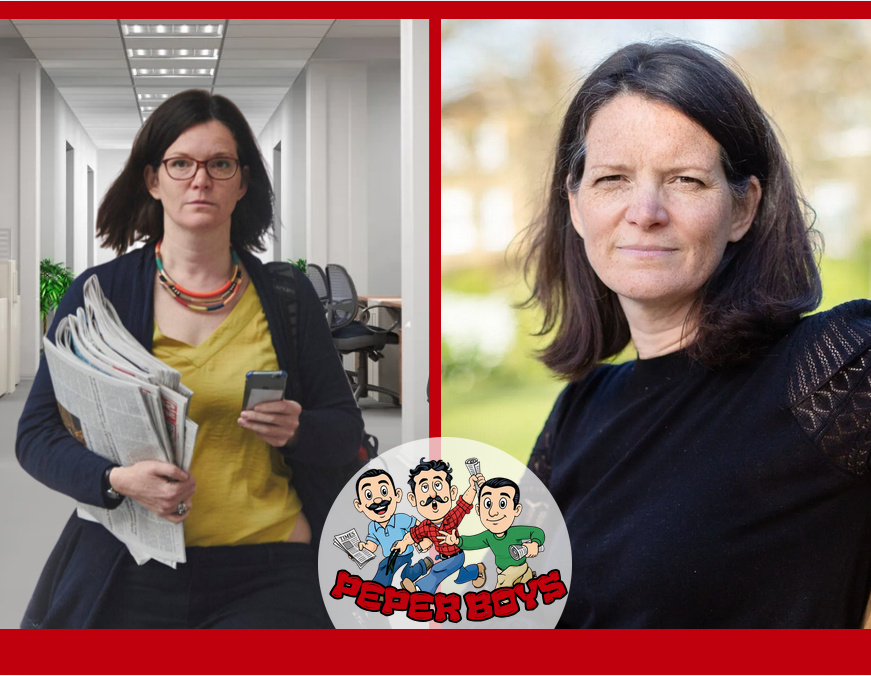
Emma Dabiri is a trailblazing Irish-Nigerian writer, broadcaster, and scholar whose work interrogates race, culture, beauty, and social power. Blending personal narrative with sharp analysis, Dabiri has become a leading voice in discussions of Black identity, postcolonialism, and body politics. From her bestselling books to award-winning documentaries and Guardian columns, she consistently amplifies marginalized voices, challenges conventional wisdom, and shapes cultural discourse across Ireland, the UK, and globally.
| Category | Details |
|---|---|
| Full Name | Emma Dabiri |
| Date of Birth | 25 March 1979 |
| Place of Birth | Dublin, Ireland |
| Nationality | Irish-Nigerian |
| Ethnicity | Irish (mother), Nigerian Yoruba (father) |
| Parents | Father: Nigerian, Yoruba heritage; Mother: Irish |
| Siblings | Not publicly disclosed |
| Spouse/Children | Private; motherhood referenced in interviews |
| Education | BA African Studies & Development, SOAS, University of London; MA & PhD Visual Sociology, Goldsmiths, University of London |
| Academic Roles | Teaching Fellow at SOAS; Charles A. Heimbold Jr. Chair of Irish Studies, Villanova University; Research Associate at SOAS |
| Literary Awards & Honors | Fellow of the Royal Society of Literature (FRSL, 2023); Cannes Lions Silver Award for Hair Power documentary (2019); Irish Times & Sunday Times Bestseller |
| Notable Books | Don’t Touch My Hair (2019); What White People Can Do Next (2021); Disobedient Bodies (2023) |
| Media & Broadcasting | Channel 4: Hair Power; BBC Four: Britain’s Lost Masterpieces; Back in Time for Brixton; Is Love Racist?; BBC Radio 4: Saturday Review, Front Row |
| Journalism & Columns | Guardian columnist on culture, race, and feminism; contributor to international publications |
| Theatre & Performance | One-woman play: Throwing Shapes (2024, planned staging) |
| Areas of Expertise | Race, postcolonialism, Black diaspora, feminism, body politics, visual sociology |
| Key Themes in Work | Intersectionality, coalition-building, Black radicalism, embodiment, disobedience and joy, anti-racism |
| Notable Achievements | Bestseller lists internationally; documentaries and lectures on culture; influential columns shaping public discourse; speaking engagements worldwide |
| Current Projects (2026) | Novel in progress; theatrical performances; Guardian columns; documentaries and podcasts |
| Digital Presence | Active on X and other social platforms; public lectures, festival panels, and media appearances |
| Influences | James Baldwin, bell hooks, Audre Lorde, African radical thinkers |
| Legacy & Impact | Redefining Irish writing, bridging academic scholarship with public media; amplifying marginalized voices; shaping discourse on race, identity, and body politics |
Early Life and Childhood of Emma Dabiri
Emma Dabiri was born on 25 March 1979 in Dublin, Ireland, to an Irish mother and Nigerian Yoruba father. Her early years included time in Atlanta, Georgia, where her father studied at Morehouse College, exposing her to Black intellectual traditions. At age five, she returned to Dublin, where being one of the few Black children shaped her identity.
Her childhood involved confronting racism, microaggressions, and curiosity-driven attention to her hair. These experiences instilled resilience and a critical lens, inspiring her lifelong exploration of race, identity, and belonging. Books became her refuge, introducing her to thinkers such as Walter Rodney and the African radical tradition.

Family Background and Relatives
Emma Dabiri maintains a relatively private family life. She is the daughter of:
- Father: Nigerian, Yoruba heritage, educated at Morehouse College. Provided her exposure to African intellectual traditions.
- Mother: Irish, whose values of resilience and curiosity influenced Dabiri’s education and cultural fluency.
- Siblings: Not publicly disclosed.
- Spouse/Children: Emma has spoken sparingly about family, keeping personal life private while occasionally referencing motherhood as grounding her perspective.
Her family’s bicultural background—Nigerian and Irish—profoundly influenced her scholarship, writing, and advocacy, situating her as a bridge between cultures.
Education and Academic Foundations
Emma Dabiri pursued a BA in African Studies and Development at SOAS, University of London, immersing herself in postcolonial theory and African history. Her undergraduate studies provided a robust foundation for her exploration of diaspora, identity, and social power.
She later completed a Master’s in Visual Sociology at Goldsmiths, University of London, integrating visual methods with sociological analysis. Dabiri’s PhD in Visual Sociology at Goldsmiths explored embodied resistance, connecting the politics of the body with cultural identity. Over a decade as a teaching fellow at SOAS further honed her pedagogical skills, allowing her to mentor students and cultivate critical thinking on diaspora and postcolonial studies.
Debut Success: Don’t Touch My Hair
In 2019, Emma Dabiri released her breakout book, Don’t Touch My Hair, which blends memoir, cultural analysis, and history. The book traces the significance of Black hair, from the trauma of slavery to contemporary microaggressions and fetishization.
Published during the #BlackLivesMatter movement, the book became an Irish Times bestseller and received international acclaim. Its essays explore hair as a political and cultural site, offering a lens into identity, resistance, and joy. Dabiri’s candid, witty, and analytical approach resonated with readers and positioned her as a leading commentator on race, beauty, and embodiment.
Bestselling Work: What White People Can Do Next
In 2021, Dabiri published What White People Can Do Next: From Allyship to Coalition, tackling post-George Floyd activism and performative allyship. The book emphasizes accountability, coalition-building, and anti-racist praxis, urging readers to confront uncomfortable truths rather than seek absolution.
The book became a Sunday Times bestseller and was widely endorsed by writers such as Afua Hirsch and Gary Younge. Its concise chapters dissect defensive behaviors and offer practical steps toward solidarity, cementing Dabiri’s position as a critical voice in anti-racist discourse.
Recent Work: Disobedient Bodies
Emma Dabiri’s 2023 release, Disobedient Bodies, interrogates Western beauty standards, fatphobia, and body politics. Drawing on personal experience, historical analysis, and sociological insight, she critiques society’s obsession with thinness, aging, and body conformity.
The book blends humor with sharp critique, championing body positivity, disobedience, and joy. Published by Penguin, it addresses contemporary concerns such as weight-loss culture, social media filters, and wellness commodification. The work has been lauded for its intersectional analysis and relevance to ongoing discussions around embodiment and liberation.
Broadcasting and Visual Media
Emma Dabiri has a robust broadcasting career, blending scholarship with media. She fronted Channel 4’s Hair Power (2019), a documentary exploring the cultural and political significance of Black hair, earning a Cannes Lions Silver Award.
She has appeared on BBC Four’s Britain’s Lost Masterpieces, Back in Time for Brixton, Is Love Racist?, and Virtually History, demonstrating her ability to combine cultural critique with accessible storytelling. She also contributes regularly to BBC Radio 4, hosting discussions and panels on contemporary issues of race, culture, and identity.
Guardian Columnist and Public Intellectual
As a Guardian columnist, Emma Dabiri writes incisively on race, culture, and feminism. Her columns combine personal insight with rigorous social analysis, covering topics from pop culture to AI biases, politics, and diaspora issues.
Her writing demystifies complex sociological concepts while amplifying marginalized voices, making her a key public intellectual. She frequently appears at literary festivals, corporate events, and academic panels, sharing insights on race, social justice, and cultural transformation.
Academic Roles and Fellowships
In 2022, Emma Dabiri was appointed the Charles A. Heimbold Jr. Chair of Irish Studies at Villanova University, blending Irish literature with African diaspora studies. She was elected Fellow of the Royal Society of Literature (FRSL) in 2023, marking recognition of her literary and scholarly contributions.
She continues to serve as a research associate at SOAS, focusing on diaspora studies, postcolonial theory, and embodied resistance. These positions solidify her authority in both academia and public discourse.
Theatrical Ventures: Throwing Shapes
Emma Dabiri extends her work to theatre and performance, with a one-woman show titled Throwing Shapes. Scheduled for 2024, the play dramatizes her Dublin youth, racial identity, and self-discovery through dance, movement, and narrative.
This multidisciplinary approach reflects Dabiri’s ethos of blending personal experience with wider social critique, showcasing her ability to engage audiences across multiple platforms.
Themes and Philosophical Core
Emma Dabiri’s work centers on:
- Postcolonial critique and Black radicalism
- Embodiment as resistance
- Intersectionality in race, gender, and culture
- Coalition-building over performative activism
- Joy and disobedience in marginalized spaces
Her writing and media work consistently challenge respectability politics, advocating liberation, pleasure, and authentic representation.
Personal Philosophy and Influences
Influenced by thinkers such as James Baldwin, bell hooks, and Audre Lorde, Dabiri balances love, rage, and critical insight. She emphasizes lived experience, storytelling, and education as tools for social change. Her Irish-Nigerian identity informs a unique cross-cultural perspective, bridging global and local discourses.
Awards, Recognition, and Global Impact
- FRSL Fellow (2023)
- Cannes Lions Silver for Hair Power (2019)
- Irish Times Bestseller: Don’t Touch My Hair
- Sunday Times Bestseller: What White People Can Do Next
Her work is used in educational curricula, public policy discussions, and cultural dialogues globally, affirming her as an influential voice on race, identity, and culture.
Current Projects and Influence in 2026
In 2026, Emma Dabiri continues writing, lecturing, and broadcasting. She is developing new works, including fiction and theatrical projects, while maintaining her Guardian column. Her voice influences debates on AI ethics, race, Irish diaspora, and body politics, shaping contemporary public discourse.
Conclusion
Emma Dabiri Irish writer exemplifies the fusion of scholarship, memoir, and activism. Her books, broadcasts, columns, and public engagements illuminate the lived realities of Black and marginalized communities, challenging norms around race, beauty, and power. As a thinker, writer, and performer, Dabiri continues to inspire dialogue, joy, and resistance across Ireland, the UK, and the world.
Frequently Asked Questions (FAQs)
Who is Emma Dabiri?
Emma Dabiri is an Irish-Nigerian writer, broadcaster, and scholar known for Don’t Touch My Hair and FRSL fellowship.
What are Emma Dabiri’s books?
Don’t Touch My Hair (2019), What White People Can Do Next (2021), Disobedient Bodies (2023).
Where did Emma Dabiri study?
SOAS, University of London (BA African Studies); Goldsmiths, University of London (MA & PhD Visual Sociology).
What TV shows has Emma Dabiri presented?
Channel 4’s Hair Power, BBC Four’s Britain’s Lost Masterpieces, Back in Time for Brixton, Is Love Racist?.
Is Emma Dabiri Irish?
Yes, born in Dublin to an Irish mother and Nigerian father.
Has Emma Dabiri won awards?
Yes, FRSL (2023), Cannes Lions Silver (2019), bestseller lists internationally.
What is Emma Dabiri’s academic focus?
Visual Sociology, postcolonialism, Black diaspora, embodied resistance.
Get more updates or Stories on Pep Boys