 Martin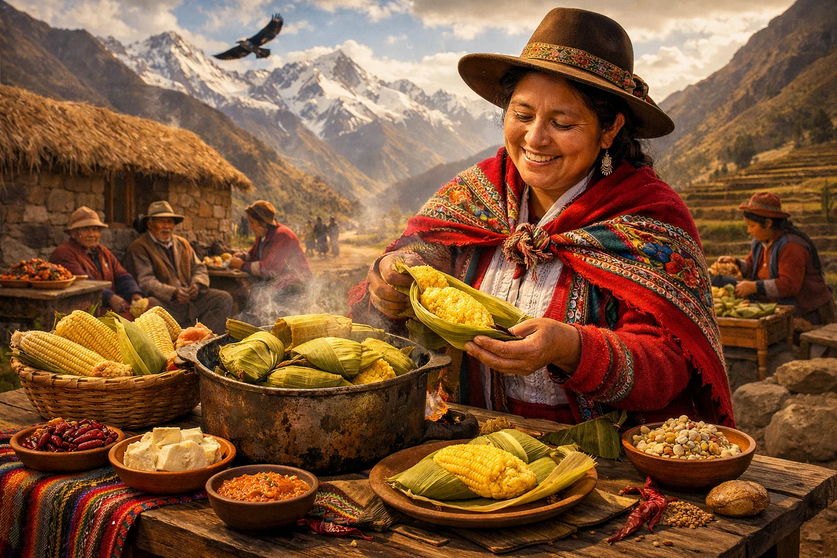
Hormita is more than a comforting corn dish; it is a living expression of Andean heritage, community, and culinary wisdom passed down through centuries. Rooted in Indigenous traditions and shaped by regional creativity, this humble yet flavorful preparation has journeyed from ancient kitchens of the Andes to contemporary tables around the world. In 2026, hormita enjoys renewed appreciation as global food lovers seek authentic, nourishing, and culturally rich cuisine. Its creamy texture, natural ingredients, and symbolic preparation make it both a meal and a story wrapped in corn husks.
What Is Hormita?
Hormita is a regional variation of the classic humita, a traditional Andean dish made from fresh ground corn, seasoned and gently cooked inside natural corn husks. The name reflects its smaller, more portable form, often interpreted as “little humita.” Unlike dishes made with dried corn or flour, hormita relies on fresh maize, giving it a soft, creamy consistency that defines its character.
Traditionally prepared in homes and sold by street vendors, hormita represents comfort food deeply tied to memory, family, and place. By 2026, it has gained wider recognition through food festivals, diaspora communities, and modern kitchens embracing ancestral flavors.
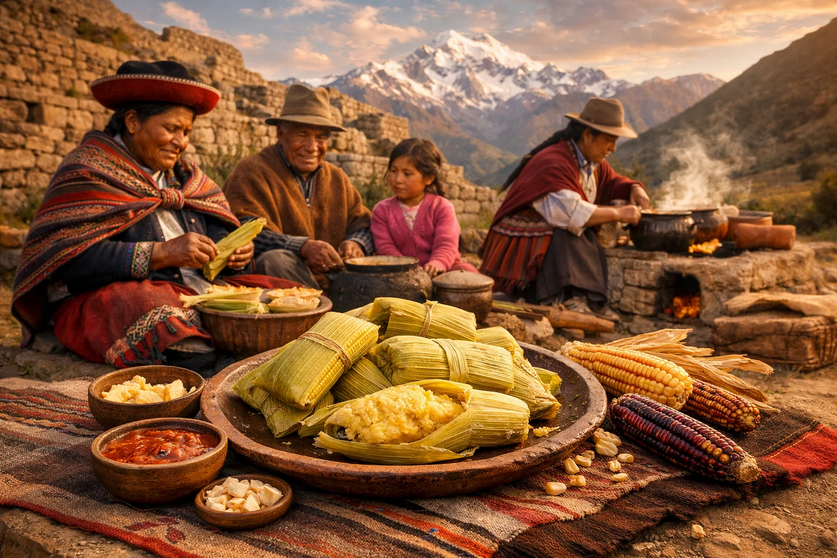
Ancient Origins of Hormita in Andean Civilization
The roots of hormita stretch back over 500 years to pre-Hispanic Andean societies, particularly within Inca culture. Corn, or choclo, was a sacred crop symbolizing abundance and life. Early forms of humita, from which hormita evolved, were documented by Garcilaso de la Vega in 1609, confirming their existence long before European colonization.
Prepared communally and shared during rituals and celebrations, hormita embodied Indigenous ingenuity. Despite colonization and cultural disruption, the dish endured, adapting subtly while preserving its essence as a cornerstone of Andean culinary identity.
Linguistic and Cultural Meaning of Hormita
The word hormita is linked to Quechua terms such as humint’a or umint’a, referring to corn paste wrapped for cooking. Linguistically, it reflects both method and meaning—corn transformed through care and patience. Culturally, hormita symbolizes unity, as families often gather to husk corn, grind kernels, and tie parcels together.
This collective preparation reinforces social bonds and cultural continuity. Even in modern urban settings, making hormita remains a gesture of heritage preservation, connecting generations through shared taste and tradition.
Regional Variations Across South America
One of hormita’s most fascinating qualities is its adaptability across regions. In Ecuador, it often includes eggs, pork fat, and local cheeses, sometimes lightly fried after steaming for a crisp exterior. Peruvian and Bolivian versions emphasize purity, relying almost entirely on fresh corn and minimal seasoning.
In Chile, preparations may be baked and flavored with basil, while Argentina’s northern regions favor creamy textures enriched with cheese. Each variation reflects local climate, agriculture, and cultural preference, making hormita a culinary canvas shaped by geography.
Core Ingredients That Define Authentic Hormita
At the heart of hormita lies fresh corn, ideally harvested young for natural sweetness and moisture. The kernels are ground into a smooth paste, never dried or nixtamalized, preserving delicate flavors. Onions, garlic, ají peppers, salt, and fat—butter or lard—build depth and aroma.
Cheese plays a supporting role in many regions, adding richness without overpowering the corn. Herbs like cilantro or basil appear in select traditions. Ingredient quality is crucial, as hormita’s simplicity leaves no room for shortcuts.
Traditional Preparation Methods
Preparing hormita is both culinary and ceremonial. Corn husks are carefully removed, cleaned, and softened, then used as natural wrappers. The seasoned corn paste is spooned into husks, folded securely, and tied with husk strips.
Cooking is traditionally done by steaming for 45 to 60 minutes, allowing gentle heat to set the mixture without drying it. This method preserves moisture and infuses subtle vegetal aroma from the husks, creating hormita’s signature softness.
Step-by-Step Hormita Recipe for Home Cooks
Making hormita at home reconnects cooks with Andean tradition. Fresh corn is blended or ground until smooth. A sauté of onion, garlic, and ají forms the flavor base, mixed with corn paste, cheese, and seasoning.
The mixture is wrapped in double layers of husks, tied securely, and steamed until firm yet tender. The result is a dish that feels both rustic and refined. In 2026, home cooks worldwide recreate hormita as a comforting alternative to processed convenience foods.
Ecuadorian Hormita: A Beloved Regional Expression
Ecuadorian hormita stands out for its rich, savory profile. Eggs are often added for structure, while pork fat deepens flavor. After steaming, some versions are lightly pan-fried, producing a golden crust that contrasts with the creamy interior.
In coastal areas, seafood variations appear, while highland recipes remain vegetarian. Served with sauces or enjoyed alone, Ecuadorian hormita reflects the country’s diverse landscapes and culinary creativity, remaining a staple of markets and family tables.
Hormita in Chilean and Argentine Kitchens
In Chile, hormita—often called humitas—features basil, onions, and sometimes sugar, offering both savory and sweet interpretations. Baking is common, producing a denser texture suited to cooler climates.
Argentina’s humita en chala emphasizes creaminess, blending corn with a sofrito of onions and tomatoes, enriched by cheese. Italian immigrant influence shaped these styles, resulting in comforting, hearty dishes served during gatherings and regional festivals.
Nutritional Benefits of Hormita
Hormita is naturally gluten-free and nutrient-rich. Fresh corn provides fiber, B vitamins, and antioxidants, supporting digestion and eye health. Cheese contributes calcium and protein, while onions and peppers offer anti-inflammatory benefits.
A typical serving averages around 250 calories, making it satisfying without excess. In 2026’s wellness-focused food culture, hormita is appreciated as a wholesome option adaptable to vegetarian, vegan, or modified diets.
Cooking Tools and Techniques Used for Hormita
Traditional preparation relies on simple tools: knives, grinding stones, and steamers. Corn husks are essential, imparting aroma and structure. Modern kitchens often use blenders or food processors, though care is taken not to over-purée the corn.
Steaming baskets or stacked pots replicate traditional methods. Some contemporary cooks use air fryers to finish hormita with crisp edges, blending old techniques with modern convenience while respecting the dish’s integrity.
Modern Twists on Traditional Hormita
As hormita gains global exposure, chefs experiment thoughtfully. Vegan versions replace dairy with plant-based fats and proteins. Fusion interpretations incorporate ingredients like quinoa, herbs, or mild spices from other cuisines.
Miniature hormita servings appear as appetizers, while gourmet presentations elevate it for fine dining. Despite innovation, successful modern hormita retains the dish’s essential qualities: corn-forward flavor, gentle texture, and respect for tradition.
Hormita in Festivals and Cultural Celebrations
Hormita plays a central role in Andean festivals such as Inti Raymi and harvest celebrations. Stalls selling freshly steamed parcels line streets, filling the air with corn’s sweet aroma. Competitions often judge texture and flavor, honoring family recipes.
In diaspora communities, preparing hormita becomes a cultural anchor, connecting migrants to home. By 2026, it features prominently in multicultural food events, symbolizing heritage and resilience.
Pairing Hormita With Drinks and Side Dishes
Hormita pairs naturally with traditional drinks like chicha or warm corn-based beverages. Fresh salads, potato dishes, or simple sauces complement its richness. Sweet versions work well alongside fruit desserts or spiced beverages.
Thoughtful pairing enhances the experience, balancing creaminess with acidity or freshness. Whether served as a main dish or side, hormita adapts easily to varied menus and occasions.
Hormita Compared With Similar Corn Dishes Worldwide
While often compared to tamales, hormita differs in texture and preparation. Tamales use masa from treated corn flour, resulting in denser consistency. Hormita’s reliance on fresh corn yields lighter, creamier results.
Other corn dishes worldwide share similarities, yet hormita’s husk-wrapped simplicity and emphasis on natural sweetness distinguish it. This uniqueness contributes to its growing appeal among global food enthusiasts.
Health Adaptations and Dietary Variations
Modern dietary needs have inspired adaptations. Low-fat versions reduce added fats, while high-protein options incorporate legumes or seeds. Vegan and dairy-free preparations maintain flavor through herbs and spices.
These variations demonstrate hormita’s flexibility without sacrificing identity. Nutritionists increasingly recommend it as part of balanced diets, highlighting its fiber content and natural ingredients.
Sourcing Ingredients Outside the Andes
Outside South America, fresh corn can be sourced from farmers’ markets or specialty stores. Frozen corn serves as a practical substitute when fresh is unavailable. Corn husks may be purchased dried and rehydrated.
Adaptation is part of hormita’s history. Using local ingredients while honoring traditional methods allows the dish to thrive globally, ensuring accessibility without cultural dilution.
Cultural Significance of Hormita Today
Hormita represents continuity amid change. It tells a story of Indigenous knowledge, adaptation, and survival. Preparing and sharing it affirms identity and belonging, especially within Andean communities navigating globalization.
In 2026, younger generations rediscover hormita through social media and culinary education, ensuring its relevance. It stands as a reminder that food can preserve memory, values, and history.
Hormita in Modern Media and Popular Culture
Food documentaries, cooking channels, and digital platforms have spotlighted hormita, introducing it to wider audiences. Visual appeal, cultural depth, and simplicity make it ideal for storytelling.
Chefs and influencers celebrate it as an authentic alternative to industrialized foods. This media presence contributes to hormita’s modern revival, positioning it as both heritage dish and contemporary comfort food.
Conclusion
Hormita is a testament to the enduring power of tradition. From ancient Andean civilizations to modern global kitchens, it has remained a symbol of nourishment, community, and creativity. Its creamy corn base, regional diversity, and adaptability make it timeless yet relevant. In 2026, hormita stands proudly as a culinary bridge between past and present, inviting everyone to taste the history wrapped gently in a corn husk.
Frequently Asked Questions
What is hormita?
Hormita is a traditional Andean dish made from fresh ground corn, seasoned and steamed in corn husks.
Where does hormita originate?
It originates from the Andean regions of Peru, Ecuador, Bolivia, Chile, and Argentina.
Is hormita gluten-free?
Yes, hormita is naturally gluten-free since it uses fresh corn instead of flour.
How is hormita different from tamales?
Hormita uses fresh corn paste, while tamales are made from processed corn dough, resulting in different textures.
Can hormita be made vegan?
Yes, dairy and animal fats can be replaced with plant-based alternatives.
Is hormita sweet or savory?
It can be either, depending on regional traditions and added ingredients.
Why is hormita culturally important?
It represents Andean heritage, communal cooking, and centuries of culinary tradition.
Get more updates or Stories on Pep Boys