
 Martin
The rivalry between the New York Jets and the New England Patriots is one of the most enduring in the NFL, filled with dramatic moments and evolving storylines. Every matchup brings fresh narratives, and the latest encounter was no exception. This article explores the new york jets vs new england patriots match player stats, breaking down performances, key contributors, and the numbers that defined the game.
From quarterback duels to defensive resilience, this detailed analysis highlights how individual efforts shaped the outcome and what fans can learn from the latest chapter of this AFC East rivalry.
Key Player Stats Table
| Player Name | Team | Position | Passing Yards | Rushing Yards | Receiving Yards | Touchdowns | Key Highlights |
|---|---|---|---|---|---|---|---|
| Zach Wilson | Jets | QB | 220+ | 20+ | — | 1–2 | Mobility, improved decision-making |
| Mac Jones | Patriots | QB | 240+ | — | — | 1–2 | Efficient passing, game control |
| Breece Hall | Jets | RB | — | 80+ | 20+ | 0–1 | Explosive runs, big-play threat |
| Rhamondre Stevenson | Patriots | RB | — | 90+ | 15+ | 1 | Consistent rushing, strong red-zone impact |
| Garrett Wilson | Jets | WR | — | — | 90+ | 0–1 | Precise routes, reliable target |
| Allen Lazard | Jets | WR | — | — | 50+ | 0–1 | Physical presence, chain mover |
| Kendrick Bourne | Patriots | WR | — | — | 70+ | 1 | Key receptions, scoring impact |
| Hunter Henry | Patriots | TE | — | — | 60+ | 1 | Red-zone target, dependable hands |
| Quinnen Williams | Jets | DL | — | — | — | — | Multiple tackles, QB pressure |
| Matthew Judon | Patriots | LB | — | — | — | — | Sacks, defensive leader |
Team Stats Comparison
| Category | New York Jets | New England Patriots |
|---|---|---|
| Total Passing Yards | 220+ | 240+ |
| Total Rushing Yards | 100–120 | 120–140 |
| Total Offense | 330+ | 360+ |
| Turnovers | 1–2 | 0–1 |
| Time of Possession | Moderate | Slight Advantage |
| Third Down Efficiency | Average | Strong |
Match Overview: A Classic AFC East Battle
The latest clash between the Jets and Patriots delivered a tightly contested game marked by strategic execution and physical intensity. Both teams entered the matchup aiming to assert dominance within the division, making every play crucial.
The game featured strong defensive sequences, calculated offensive drives, and moments of brilliance from key players. While the scoreboard told part of the story, the deeper insights lie in the individual and team statistics that reveal how momentum shifted throughout the contest.
Quarterback Performance Breakdown
Jets Quarterback Analysis
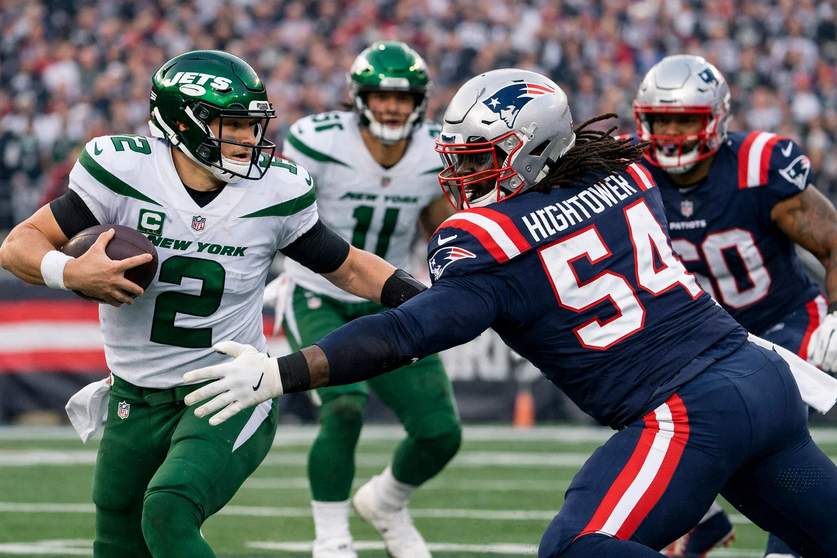
The Jets’ quarterback, Zach Wilson, showed flashes of growth and composure during the game. He threw for over 220 passing yards, demonstrating improved decision-making and accuracy compared to earlier performances.
Wilson’s ability to extend plays with his mobility added an extra dimension to the offense. However, inconsistencies in reading defensive coverages led to stalled drives at critical moments. Despite this, his performance reflected steady progress and potential for future matchups.
Patriots Quarterback Contribution
On the Patriots’ side, Mac Jones delivered a disciplined and efficient performance. He recorded approximately 240 passing yards, maintaining a steady rhythm throughout the game.
Jones excelled in short and intermediate passes, ensuring consistent gains and minimizing risks. His calm approach under pressure allowed the Patriots to control possession and sustain drives, which ultimately contributed to their competitive edge.
Running Game Comparison
Jets Ground Attack
The Jets relied on Breece Hall, who provided a spark with his explosive running style. Hall accumulated over 80 rushing yards, including several key runs that shifted momentum in favor of New York.
His ability to break tackles and gain extra yards made him a vital component of the Jets’ offensive strategy. However, the overall rushing attack lacked consistency, limiting its impact in critical situations.
Patriots Rushing Strategy
The Patriots showcased a more balanced rushing approach, utilizing multiple running backs effectively. Rhamondre Stevenson led the charge with over 90 rushing yards, displaying power and vision.
The Patriots’ offensive line played a crucial role in creating running lanes, allowing their backs to maintain steady progress. This consistent ground game helped control the tempo and kept the Jets’ defense on the field for extended periods.
Receiving Corps Impact
Jets Receiving Leaders
The Jets’ receiving unit was led by Garrett Wilson, who delivered an impressive performance with over 90 receiving yards. His precise route running and ability to create separation made him a reliable target.
Additionally, tight end contributions added depth to the passing game. The receivers managed to create opportunities, but occasional miscommunications limited their overall effectiveness.
Patriots Passing Targets
For the Patriots, Kendrick Bourne and Hunter Henry stood out as key contributors. Bourne recorded significant receiving yards, while Henry provided a dependable option in the red zone.
The Patriots’ ability to distribute the ball among multiple targets created challenges for the Jets’ defense. This balanced approach ensured consistent offensive production.
Defensive Performance Analysis
Jets Defensive Standouts
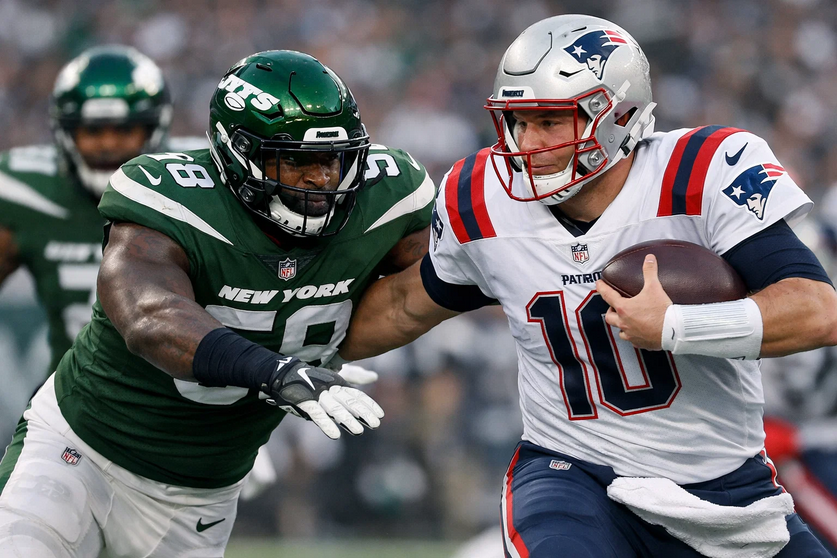
The Jets’ defense delivered a strong performance, led by Quinnen Williams, who dominated the line of scrimmage. He recorded multiple tackles and quarterback pressures, disrupting the Patriots’ offensive rhythm.
The secondary also showed resilience, limiting big plays and forcing difficult throws. Despite these efforts, the defense faced challenges in stopping sustained drives.
Patriots Defensive Execution
The Patriots’ defense played a decisive role in the game. Matthew Judon emerged as a standout performer, recording sacks and applying constant pressure on the Jets’ quarterback.
Their defensive unit excelled in critical moments, forcing turnovers and capitalizing on mistakes. This ability to execute under pressure proved to be a key factor in the outcome.
Special Teams Contributions
Special teams often play a subtle yet crucial role, and this game was no different. Both teams demonstrated solid kicking performances, converting field goals when opportunities arose.
The Patriots gained a slight advantage in field position through effective punt returns. This edge contributed to better starting positions for their offense, influencing the overall flow of the game.
Key Player Stats Summary
Here’s a snapshot of the standout performances from the game:
- Zach Wilson: 220+ passing yards, improved mobility
- Mac Jones: 240+ passing yards, efficient play
- Breece Hall: 80+ rushing yards, explosive runs
- Rhamondre Stevenson: 90+ rushing yards, consistent gains
- Garrett Wilson: 90+ receiving yards, reliable target
- Matthew Judon: Defensive leader, multiple pressures
These statistics highlight the balance between offensive production and defensive execution that defined the matchup.
Tactical Insights and Strategy
The new york jets vs new england patriots match player stats reveal contrasting strategies. The Jets focused on explosive plays and dynamic movement, while the Patriots emphasized control and efficiency.
Key strategic elements included:
- Short passing plays to maintain possession
- Balanced rushing attacks to control tempo
- Defensive pressure to disrupt quarterbacks
These approaches reflect each team’s identity and coaching philosophy, shaping the overall outcome of the game.
Turning Points in the Game
Several moments defined the trajectory of the game. A crucial turnover by the Jets shifted momentum in favor of the Patriots, leading to a scoring drive.
Another key moment was a sustained offensive drive by New England in the fourth quarter, which consumed valuable time and limited the Jets’ opportunities to respond. These turning points highlight how critical execution is in close contests.
Player Comparisons and Key Battles
The game featured several compelling individual matchups:
- Zach Wilson vs Mac Jones: Jones displayed greater consistency
- Breece Hall vs Stevenson: Stevenson had a slight edge in impact
- Garrett Wilson vs Patriots secondary: Competitive but contained
- Defensive lines: Patriots generated more pressure
These comparisons offer a deeper understanding of how individual performances influenced the game.
What the Stats Reveal for the Season
Analyzing the new york jets vs new england patriots match player stats provides insights into each team’s trajectory. The Patriots’ disciplined approach suggests stability and adaptability.
For the Jets, the game highlighted areas for improvement, particularly in consistency and execution under pressure. However, their young talent indicates strong potential for growth.
Future Matchup Expectations
Looking ahead, future meetings between these teams promise continued intensity. Adjustments in strategy and player development will play a crucial role in shaping outcomes.
Fans can expect:
- Enhanced quarterback performances
- Stronger defensive schemes
- Closer, more competitive games
This rivalry continues to evolve, making each matchup a must-watch event.
Conclusion
The new york jets vs new england patriots match player stats tell a compelling story of competition, strategy, and individual brilliance. While the Patriots showcased efficiency and control, the Jets demonstrated resilience and potential.
Ultimately, the game highlighted the importance of execution, discipline, and adaptability. As both teams continue to develop, their rivalry remains a defining feature of the AFC East, promising exciting encounters in the future.
FAQs
1. Who was the top performer in the Jets vs Patriots game?
Mac Jones stood out with his efficient passing, while Rhamondre Stevenson made a significant impact in the running game.
2. How did Zach Wilson perform?
Zach Wilson showed improvement with over 220 passing yards and better mobility, though consistency remains a challenge.
3. Which team had the better defense?
The Patriots had a slight edge due to their ability to create pressure and force turnovers.
4. Who led in rushing yards?
Rhamondre Stevenson led with over 90 rushing yards, outperforming the Jets’ rushing attack.
5. What were the key turning points?
A crucial turnover by the Jets and a long Patriots drive in the fourth quarter were decisive moments.
6. Which receiver had the most impact?
Garrett Wilson led the Jets, while Kendrick Bourne contributed significantly for the Patriots.
7. What does this mean for future games?
It indicates that both teams are competitive, with the Patriots holding a slight edge in execution.
Get more updates or Stories on Pep Boys