 Martin
Nora Chavooshian is a celebrated Armenian-American sculptor and former production designer, whose work fuses ancestral memory, cultural resilience, and innovative materials. Known for installations that honor the Armenian Genocide, women’s labor, and ecological interconnections, Chavooshian has left an indelible mark on contemporary sculpture. From her early life in Philadelphia to collaborations with global artisans, her journey demonstrates how heritage and artistry intertwine.
| Category | Details |
|---|---|
| Full Name | INora Chavooshian |
| Date of Birth | October 25, 1953 |
| Place of Birth | Philadelphia, Pennsylvania, USA |
| Heritage | Armenian-American |
| Family Background | Grandmother influential in lace-making; Armenian cultural roots deeply shaped her artistic themes |
| Education | Pennsylvania Academy of the Fine Arts; San Francisco Art Institute (Graduated 1974) |
| Early Interests | Drawing, painting, sculpture; focus on ancestral memory and storytelling |
| Professional Career | – Production Designer and Set Decorator in Los Angeles- Collaborated with Martin Scorsese, John Sayles, Madonna, Bruce Springsteen- Notable film: After Hours (1985) |
| Transition to Sculpture | Moved to East Coast (New Jersey) in 1990s to focus on full-time sculpture and installations |
| Artistic Mediums | Bronze, textiles, lace, mycelium, mixed media, installations |
| Major Themes | Ancestral trauma, Armenian Genocide, women’s labor, cultural resilience, ecological connections |
| Notable Works | – Speak (exploring genocide memory)- Trama (Armenian-Mayan textile collaboration)- Bronze honeycomb sculpture at Tashjian Bee & Pollinator Discovery Center |
| Exhibitions | – Women’s Work, Denise Bibro Fine Art, NYC (2020)- Pro Arts, Jersey City (2015)- Multiple U.S. & European galleries |
| Collaborations | Cross-cultural projects blending Armenian and Mayan textile traditions |
| Personal Life | Formerly married to actor Joe Morton; grandmother and family heritage heavily influenced art; focuses on private, reflective life |
| Public Commissions | Tashjian Bee & Pollinator Discovery Center, University and park installations |
| Influences | Armenian ancestry, family stories, matrilineal crafts, nature, mycology, and beekeeping |
| Awards / Recognition | Featured in U.S. and European galleries; critical acclaim for innovative material use and cultural storytelling |
| Current Residence | New Jersey, USA |
| Legacy | Redefining sculpture through heritage, trauma, women’s labor, and ecological themes; mentoring emerging artists |
| Professional Alias / Variations | Nora Chavooshian, INora Chavooshian |
Early Life and Heritage
Nora Chavooshian was born on October 25, 1953, in Philadelphia, Pennsylvania. Growing up in an Armenian-American household, she inherited a deep sense of history shaped by the 1915 Armenian Genocide. Family stories, particularly her grandmother’s lace-making, symbolized survival and resilience, becoming metaphors in her later work. Early exposure to these narratives instilled an understanding of women’s labor and quiet strength, themes that would echo throughout her sculptural practice.
Philadelphia’s vibrant arts scene nurtured her early curiosity. As a teenager, she gravitated toward drawing and painting, often sketching human forms and abstract motifs inspired by memory and identity. Her parents’ emphasis on heritage and storytelling laid a foundation for a lifelong commitment to art as both remembrance and expression. These formative years were pivotal, blending cultural preservation with a burgeoning artistic sensibility.
Education and Artistic Foundations
Nora Chavooshian pursued formal art studies at the Pennsylvania Academy of the Fine Arts and later the San Francisco Art Institute, graduating in 1974. Her early focus on figure and portrait painting transitioned naturally into sculpture, combining technical mastery with conceptual depth. She learned to manipulate diverse materials including bronze, textiles, and organic matter like mycelium, creating multidimensional narratives.
Key aspects of her training included:
- Mastery of casting and mold-making
- Integration of textiles as cultural symbols
- Collaboration across disciplines and experimental media
Her time at San Francisco encouraged bold experimentation, blending space, narrative, and personal history. Professors recognized her intuitive grasp of heritage themes, praising her ability to transform personal memory into universal expression. This education became the foundation for her later work in both production design and fine art.
Transition to Production Design
Before fully committing to sculpture, Nora Chavooshian worked extensively as a production designer and set decorator in Los Angeles. Collaborating with directors such as Martin Scorsese and John Sayles, as well as musicians like Bruce Springsteen and Madonna, she honed her spatial storytelling skills. Her IMDb credits include After Hours (1985), demonstrating her ability to craft immersive environments that blend realism with abstraction.
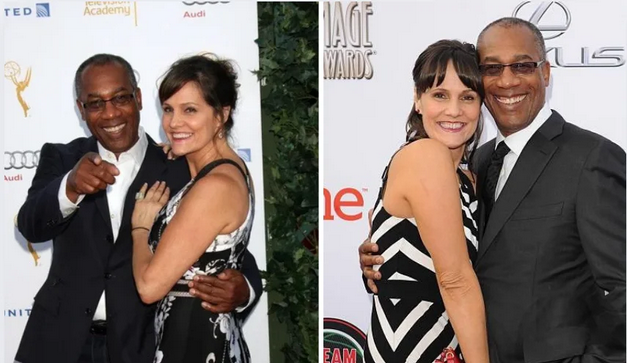
This work demanded precision, creativity under pressure, and an understanding of narrative context. Organic motifs and sculptural elements often featured in her sets, foreshadowing her later sculptural explorations. During this period, she was married to actor Joe Morton, navigating the demands of Hollywood while building a foundation for her personal artistic vision.
Highlights of her production design career:
- Stage sets emphasizing dynamic visual storytelling
- Film sets blending realism with abstraction
- Innovative use of light, texture, and material to convey emotion
Shift to Full-Time Sculpture
By the 1990s, Chavooshian relocated to the East Coast to focus fully on sculpture and installation art. This marked a pivotal transition from commercial design to personal expression. Freed from scripted narratives, she explored ancestral trauma, women’s labor, and environmental themes. Her New Jersey studio became a laboratory for experimentation, using lace, bronze, and mycelium to explore growth, decay, and resilience.
Major projects during this period include:
- Speak: Sculptural forms reflecting genocide memory and silenced voices
- Trama: A collaboration blending Armenian lace with Mayan textiles, emphasizing cross-cultural healing
- Mycelium installations: Symbolizing organic growth and cultural revival
These works cemented her reputation as a sculptor deeply engaged with heritage, memory, and materiality, earning exhibitions and placements in both public and private collections across the U.S. and Europe.
Major Works and Exhibitions
Nora Chavooshian’s oeuvre demonstrates profound engagement with history, memory, and craft. Notable works include:
- Speak (2010s): Fragmented sculptural forms evoking the Armenian Genocide
- Trama (2020): Textile fusion project celebrating shared resilience across cultures
- Tashjian Bee & Pollinator Discovery Center commission: Bronze honeycomb sculpture highlighting nature and community
Exhibition highlights:
| Year | Exhibition / Project | Key Highlights |
|---|---|---|
| 2020 | Women’s Work at Denise Bibro Fine Art, NYC | Armenian-Mayan textile fusion; trauma themes |
| 2020s | Tashjian Bee Center, Minnesota | Bronze honeycomb sculpture; pollinator focus |
| 2015 | Pro Arts, Jersey City | Solo/group shows; NJ debut |
Through these exhibitions, her work examines ancestral trauma, survival, and cultural continuity, positioning Chavooshian as a unique voice in contemporary art.
Themes in INora Chavooshian’s Art
Core themes define her artistic identity:
- Ancestral trauma: Exploring intergenerational scars of the Armenian Genocide
- Women’s labor and resilience: Transforming lace, textiles, and crafts into durable artistic forms
- Cultural bridges: Collaborations across Mayan and Armenian communities
- Nature and sustainability: Bees, honeycombs, and organic materials as metaphors for community and continuity
Her work transforms fragile materials into resilient forms, symbolizing endurance and memory. Critics praise her ability to blend personal narrative with universal themes, creating works that resonate emotionally and conceptually.
Personal Life and Influences
Chavooshian’s personal life intersects meaningfully with her work. Her marriage to Joe Morton during her West Coast years informed her early production design, while post-divorce solitude enabled deeper exploration of sculpture. Family influences, particularly her grandmother’s lace-making, permeate her work, honoring matrilineal strength.
Other interests influencing her art include:
- Beekeeping and mycology, inspiring organic installations
- Cross-cultural collaborations, emphasizing shared resilience
- Commitment to heritage preservation through public art and mentorship
Her life demonstrates a balance of professional audacity and personal reflection, creating a holistic approach to art-making.
Public Commissions and Legacy
Chavooshian’s public art bridges beauty, education, and cultural awareness. Notable projects include:
- Tashjian Bee Center, Minnesota: Encouraging ecological mindfulness
- University installations and park sculptures integrating heritage and environmental motifs
Her legacy extends through mentoring emerging artists, emphasizing heritage, resilience, and cross-disciplinary collaboration. By 2026, her work remains a beacon for artists blending identity, trauma, and ecological consciousness, inspiring generations to engage deeply with material and memory.
Impact on Contemporary Art
Nora Chavooshian has influenced the contemporary art scene in multiple ways:
- Elevating women’s crafts to high art
- Promoting intercultural dialogue through collaborative projects
- Integrating eco-conscious narratives in sculpture
- Modeling a mid-career transformation, showing how design skills enrich fine art
Critics note her unique ability to fuse material, memory, and narrative, situating her alongside other influential sculptors exploring cultural identity and environmental themes.
Conclusion
Nora Chavooshian embodies the power of art to remember, heal, and connect. From her Armenian heritage in Philadelphia to public commissions in New Jersey and beyond, her journey traverses production design, sculpture, and cross-cultural collaboration. Her work honors ancestral trauma, women’s labor, and nature’s resilience, leaving an enduring mark on contemporary art. Through mentorship and installations, Chavooshian inspires a global audience to reflect on memory, identity, and creative perseverance.
Frequently Asked Questions (FAQs)
Who is INora Chavooshian?
INora Chavooshian is an Armenian-American sculptor and former production designer, known for trauma-inspired installations and public commissions.
What are Nora Chavooshian’s most famous works?
Key works include Speak, Trama, and the Tashjian Bee Center bronze sculpture, focusing on genocide memory and cultural resilience.
Was Nora Chavooshian involved in film?
Yes, she worked as a production designer for Martin Scorsese, John Sayles, and for artists like Madonna and Bruce Springsteen.
Where does Nora Chavooshian live and work?
She resides in New Jersey, focusing on sculpture and public installations after a West Coast design career.
What themes dominate her art?
Themes include ancestral trauma, cultural survival, women’s labor, and nature’s resilience.
Did she study art formally?
Yes, she studied at the Pennsylvania Academy of the Fine Arts and San Francisco Art Institute, graduating in 1974.
What is her legacy in contemporary art?
Her legacy lies in melding heritage, trauma, and ecological themes, mentoring emerging artists, and redefining the intersection of material, memory, and cultural identity.
Get more updates or Stories on Pep Boys