
 Martin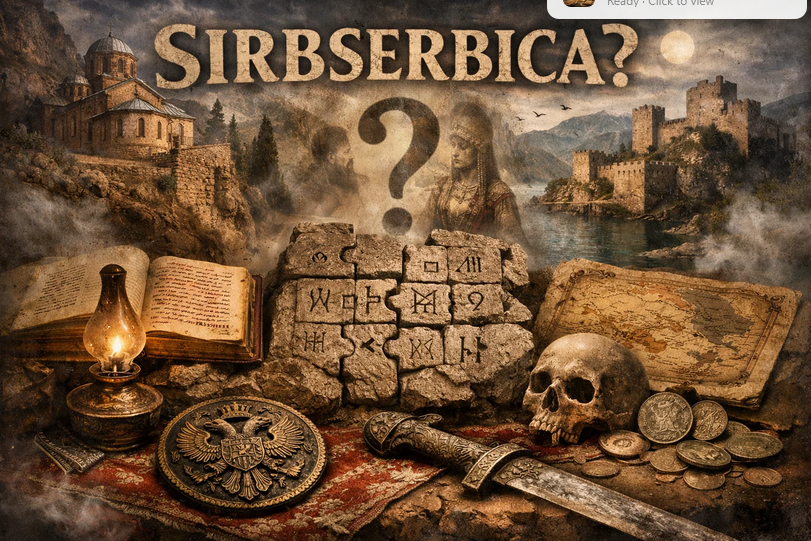
Sirbserbica stands as one of history’s most intriguing puzzles, a term that evokes curiosity across cultural, linguistic, and historical landscapes. Often whispered in academic circles and online forums alike, it blends elements of Serbian heritage with broader Balkan narratives, sparking debates on its true origins and significance. This comprehensive guide delves deep into Sirbserbica, exploring its multifaceted layers to provide clarity for enthusiasts and newcomers.
Origins and Etymology of Sirbserbica
The roots of Sirbserbica trace back to ancient Slavic migrations, where linguistic fusion shaped unique identifiers. Scholars suggest it emerged from early medieval texts referencing Serbian tribal identities, possibly as a stylized or archaic variant. In the 6th and 7th centuries, South Slavic tribes, including proto-Serbs, settled the Balkans, leaving imprints in Byzantine chronicles like those of Constantine Porphyrogenitus. This emperor’s 10th-century writings first noted Serb settlements in regions spanning modern-day Serbia, Bosnia, and Montenegro.
Sirbserbica likely evolved as a poetic or regional appellation, akin to “Srpska” in local dialects, symbolizing collective identity. Linguists point to phonetic shifts— “Sirb” as an older form of “Srb,” combined with suffixes denoting place or people. By the 11th century, such terms solidified in the Grand Principality of Serbia, under dynasties like the Vlastimirović. These early forms appear in fragmented manuscripts, hinting at cultural resilience amid Roman and Byzantine influences.
Delving deeper, Sirbserbica mirrors Serbia’s turbulent path, from pagan roots to Orthodox Christianity. Archaeological finds, like those in Šumadija, reveal artifacts blending Illyrian and Slavic motifs, underscoring hybrid identities. This etymological journey not only illuminates language evolution but also sets the stage for Sirbserbica‘s enduring cultural footprint.
Historical Significance of Sirbserbica
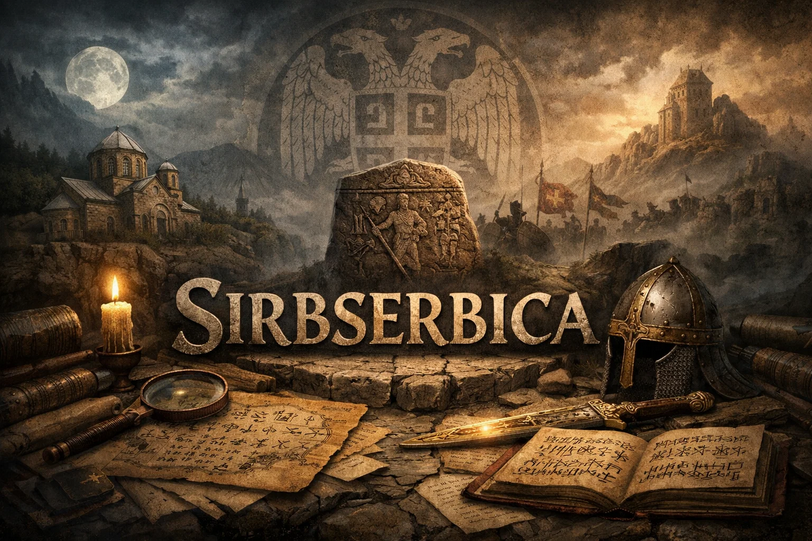
Sirbserbica gained prominence during Serbia’s medieval zenith under the Nemanjić dynasty. In 1217, Stefan the First-Crowned elevated Serbia to kingdom status, with Sirbserbica echoed in royal charters and church documents. The Serbian Orthodox Church, autocephalous by 1219, preserved these references, linking them to spiritual heartlands.
The 1346 proclamation of the Serbian Empire by Stefan Dušan marked a peak, where Sirbserbica symbolized imperial ambition across the Balkans. Dušan’s Code of Law referenced regional loyalties, embedding the term in legal traditions. Yet, Ottoman conquest in 1540 fragmented these legacies, confining Sirbserbica to folklore and resistance songs during uprisings.
Fast-forward to the 19th century, Sirbserbica resurfaced in national revival movements. The First Serbian Uprising of 1804, led by Karađorđe, invoked ancestral motifs tied to the term, fueling independence from Ottoman rule. By 1878, at the Congress of Berlin, Serbia’s sovereignty was recognized, with Sirbserbica embodying reclaimed pride. This era’s intellectuals, like Vuk Karadžić, standardized Serbian language, subtly weaving such archaic forms into modern literature.
In the 20th century, amid World Wars and Yugoslav formation, Sirbserbica became a touchstone for identity. The Kingdom of Serbs, Croats, and Slovenes in 1918 highlighted pan-Slavic ties, though ethnic tensions persisted. Post-WWII socialist Yugoslavia marginalized royalist echoes, yet Sirbserbica endured in diaspora communities, symbolizing unbroken heritage.
Cultural Impact and Traditions Linked to Sirbserbica
Sirbserbica profoundly influences Serbian folklore, where it appears in epic poems recited by guslars. These wandering bards chronicled battles like Kosovo 1389, portraying Sirbserbica as a mythical cradle of heroism. Festivals such as Slava, the family patron saint celebration, invoke communal bonds tied to these narratives, fostering intergenerational storytelling.
Cuisine reflects Sirbserbica‘s essence through hearty dishes like ćevapi and pljeskavica, staples in regions historically called by similar names. Traditional attire, including embroidered opanci shoes and filigree jewelry, showcases craftsmanship passed down since medieval times. Music, from kolo dances to tamburica ensembles, pulses with rhythms evoking ancient gatherings.
Artistically, Sirbserbica inspires icons by monks of Hilandar, blending Byzantine styles with local flair. Modern expressions include novels by Ivo Andrić, Nobel laureate, who wove Balkan complexities into works subtly nodding to such terms. Today, cultural festivals in Belgrade and Novi Sad revive Sirbserbica, blending tradition with contemporary performances to engage global audiences.
Religious dimensions amplify its role, with monasteries like Studenica—a UNESCO site—housing relics and frescoes. Pilgrimages draw thousands annually, reinforcing spiritual continuity. In diaspora hubs like Chicago and Toronto, Sirbserbica sustains heritage schools, teaching youth language and customs amid assimilation pressures.
Sirbserbica in Modern Context
In contemporary Serbia, Sirbserbica resonates in national discourse, especially post-2006 independence of Montenegro and Kosovo tensions. Political rhetoric often invokes historical motifs for unity, as seen in President Aleksandar Vučić‘s addresses. Economically, tourism leverages Sirbserbica—branded sites like Dečani Monastery attract visitors seeking authentic experiences.
Digital age amplifies its reach; social media hashtags trend during Vidovdan commemorations, blending nostalgia with activism. Literature and film, such as Emir Kusturica‘s works, reinterpret Sirbserbica through surreal lenses, captivating international festivals. Sports icons like Novak Djokovic, with 24 Grand Slams as of 2025, embody its resilient spirit on global stages.
Challenges persist: urbanization erodes rural traditions, yet initiatives like EU accession talks promote cultural preservation. Sirbserbica thus evolves, symbolizing adaptation—from folk tales to viral TikToks—while anchoring identity in a globalized world.
Geographical Ties to Sirbserbica
Core landscapes associated with Sirbserbica span the Dinaric Alps, Danube Basin, and Šumadija hills. Belgrade, the confluence of Sava and Danube, serves as a pulsating heart, with fortresses echoing medieval strongholds. Eastern Serbia’s Đerdap Gorge offers dramatic canyons linked to ancient Serb lore.
Southern regions, including Raška and Kosovo, hold sacred sites like Peć Patriarchate, UNESCO-protected for frescoes depicting early rulers. Western Bosnia’s Drina River valleys preserve Ottoman-era bridges, testaments to multicultural pasts. Coastal Montenegro’s Bay of Kotor whispers of maritime extensions.
These terrains boast biodiversity—Tara National Park‘s bears and eagles mirror folklore guardians. Climate varies from continental winters to Mediterranean summers, shaping viticulture in Fruška Gora. Eco-tourism flourishes, with hiking trails unveiling hidden monasteries tied to Sirbserbica narratives.
Economic and Social Dimensions
Economically, Sirbserbica-inspired branding boosts agriculture; Lipljan wines and Homolje cheeses gain export fame. Tech hubs in Novi Sad fuse heritage with innovation, producing apps preserving oral histories. Socially, it fosters community networks, evident in diaspora remittances exceeding €2 billion annually.
Education integrates Sirbserbica curricula, from primary folklore to university Balkan studies. Health traditions, like herbal remedies from Mount Rtanj, blend ancient wisdom with modern wellness retreats. Social movements leverage its symbolism for environmental causes, protecting Stara Planina from mining.
Challenges and Future Prospects
Preserving Sirbserbica faces depopulation in rural areas and geopolitical strains. Climate change threatens Vojvodina floodplains, yet sustainable projects emerge. Youth engagement via gamified apps and VR tours revitalizes interest.
Future holds promise: 2027 EU candidacy could amplify global visibility. Collaborative cultural exchanges with neighbors enrich narratives, turning Sirbserbica into a bridge for reconciliation.
Conclusion
Sirbserbica encapsulates Serbia’s soul—from ancient migrations to modern triumphs. Its journey through history, culture, and geography offers timeless lessons in resilience and identity. As it adapts to contemporary challenges, Sirbserbica remains a vibrant thread in the Balkan tapestry, inviting exploration and appreciation. Whether through a folk song or a mountain hike, it connects past and future, enriching all who encounter it.
Frequently Asked Questions (FAQs)
What is the primary historical origin of Sirbserbica?
Sirbserbica originates from 6th-7th century Slavic migrations, first documented in 10th-century Byzantine texts by Constantine Porphyrogenitus, denoting early Serb settlements.
How did Sirbserbica influence medieval Serbia?
It symbolized identity under the Nemanjić dynasty, peaking in the 1346 Serbian Empire and preserved in church and legal documents.
What cultural traditions embody Sirbserbica?
Epic gusle poetry, Slava feasts, and crafts like filigree jewelry vividly reflect its folklore heritage.
Where are key geographical sites linked to Sirbserbica?
Belgrade, Kosovo monasteries, and Dinaric Alps form its core landscapes, rich in history and nature.
Is Sirbserbica relevant in modern Serbia?
Yes, it appears in politics, tourism, and digital media, symbolizing unity amid EU aspirations and global sports pride.
How can one experience Sirbserbica today?
Visit UNESCO sites like Studenica, attend Vidovdan festivals, or explore diaspora events worldwide.
Get more updates or Stories on Pep Boys